Standing atop Michelangelo's dome, looking down the length of St. Peter's Square and out over all of Rome, is one of the most thrilling things you can do in the city — and one of the most rewarding climbs in the world. But it's also a genuine physical challenge with some quirks worth knowing before you go: there's a lift, but it only gets you part way; the final stretch is a narrow, leaning spiral; and the whole thing is governed by the basilica's dress code and security. This guide tells you exactly what to expect, how to choose your ticket, and how to make the climb a highlight rather than a slog.
What the climb actually involves
Here's the key thing to understand: the climb is 551 steps in total from the ground, and the lift only helps with the first part.
- On foot the whole way: all 551 steps.
- With the lift: the elevator takes you up to the roof/terrace level, cutting out roughly the first 230 steps — but you still climb about 320 steps from there to the top. There is no lift to the summit; the final ascent is always on foot.
So whichever ticket you pick, you're walking ~320 steps up the dome itself. And that final section is the memorable, slightly daunting part: a narrow, single-file spiral staircase that leans inward with the curve of the dome, so the wall slopes toward you and the steps corkscrew tightly near the top. It's not dangerous, but it's snug — not for the seriously claustrophobic.
The two tickets
There are two options, both inexpensive (check current prices):
- Stairs only — the cheaper ticket; you climb all 551 steps. The upside beyond saving a little money: the stairs entrance often has a shorter line than the lift, since most people opt for the elevator.
- Lift + stairs — slightly more; the lift skips the first ~230 steps to the terrace, leaving you the ~320 up the dome. Worth the small extra for most people, especially to save energy for the part you can't skip.
Tickets are bought at the basilica (and via some official/tour channels — check current options); the dome entrance is signed "Entrata Cupola" inside/beside the basilica. Note the climb is part of the basilica visit, so the dress code applies (shoulders and knees covered) and you pass security screening to enter the Vatican.
A little about the dome itself
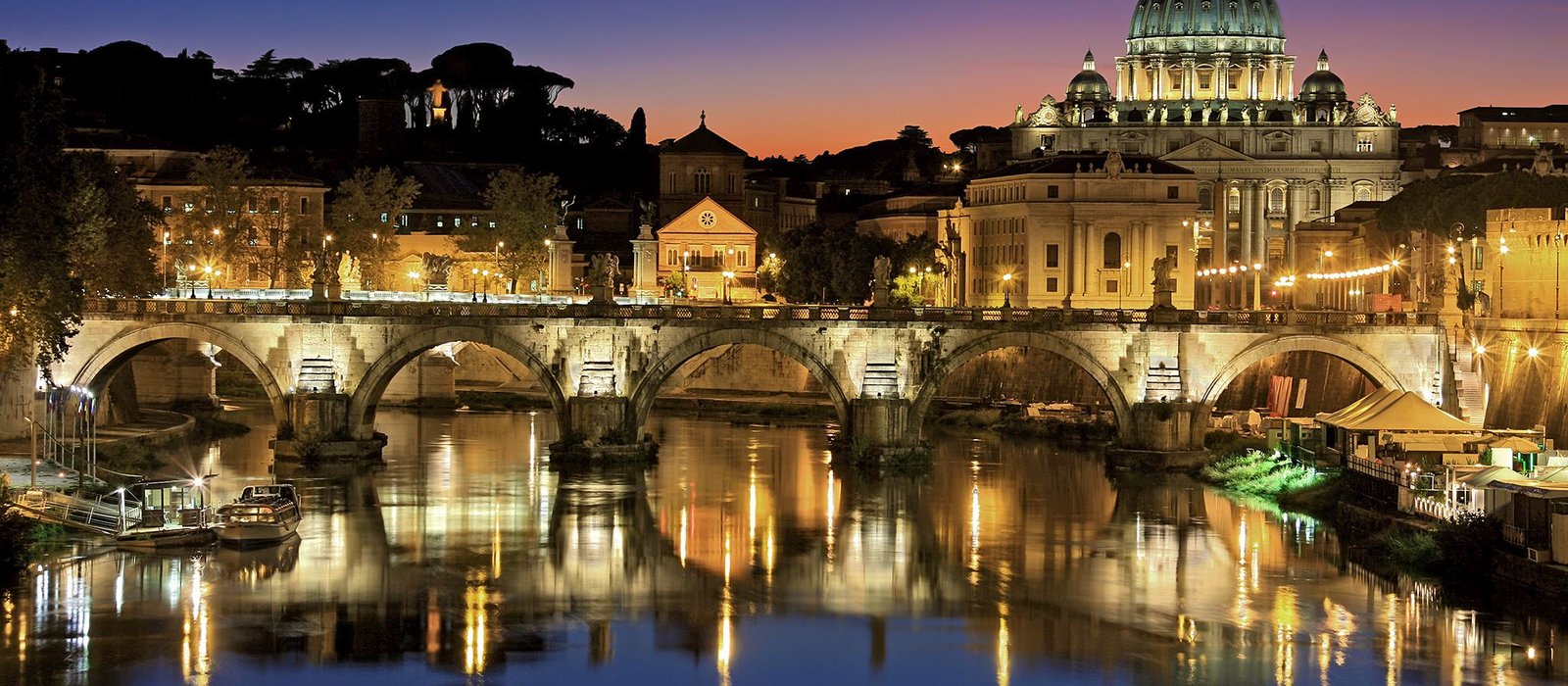
Part of what makes the climb special is what you're climbing. Michelangelo designed the dome in the 16th century, taking over the project late in his life, though he didn't live to see it finished — it was completed after his death, largely following his vision, by Giacomo della Porta and Domenico Fontana, who raised the profile slightly steeper than Michelangelo's model. At about 136 meters to the top of the cross, it remains one of the tallest domes in the world and the defining feature of Rome's skyline — visible from across the city, deliberately so. Its engineering (a double-shell structure, the inner and outer domes you actually climb between) was a marvel of its age and influenced domes for centuries after, from St. Paul's in London to the US Capitol. When you're wedged in that leaning spiral staircase near the top, you're literally climbing between the two shells of Michelangelo's dome — the slope of the wall pressing toward you is the curve of the dome itself. Knowing that turns a tiring climb into a walk through one of the great achievements of Renaissance engineering.