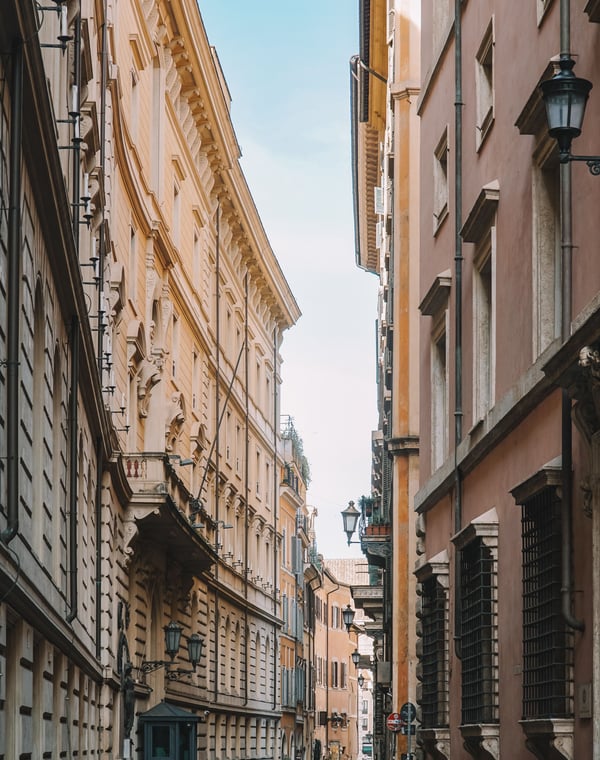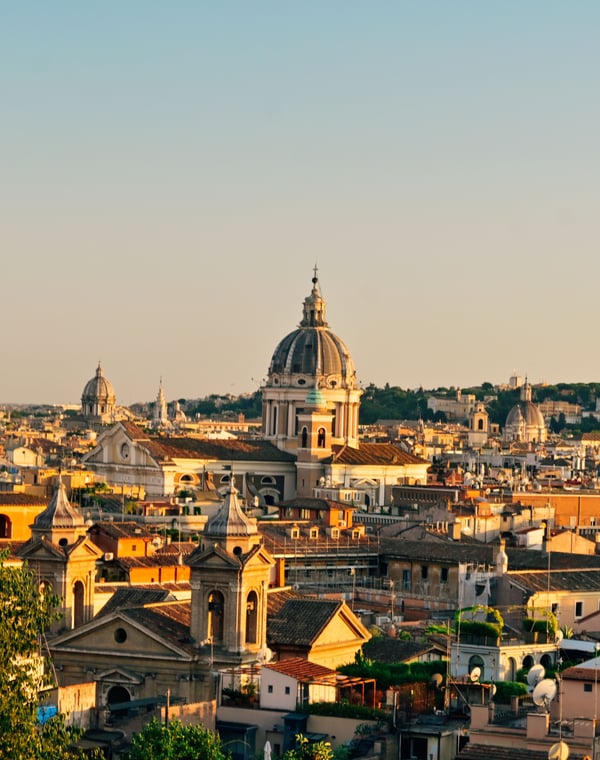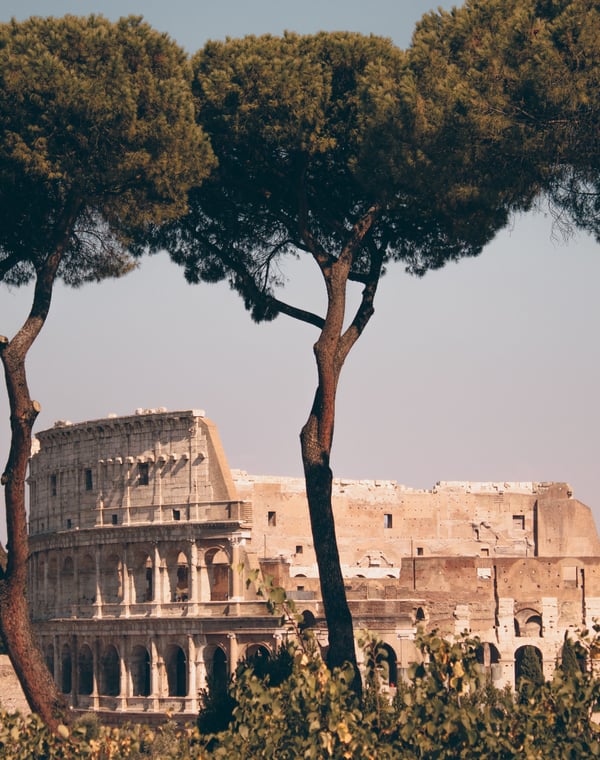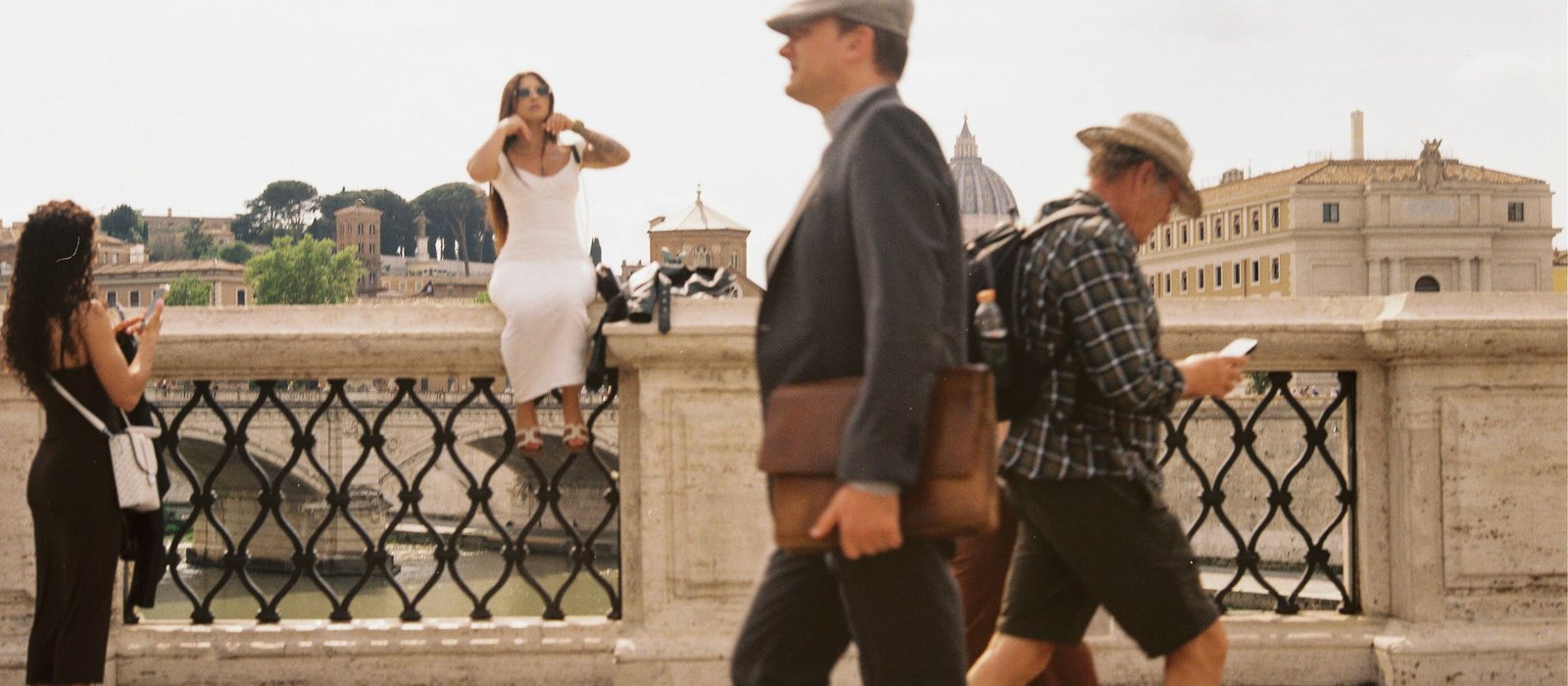
What you wear in Rome matters more than first-timers expect — not because anyone's judging your fashion, but because two practical realities shape your choices: Rome's churches enforce a real dress code (covered shoulders and knees, no exceptions at the major sites), and Romans themselves dress with a put-together care that makes obvious tourist-wear stand out. Add the city's cobblestones, heat, and a lot of walking, and dressing well for Rome is really about being prepared, comfortable, and respectful. Here's how to get it right.
The church dress code (the non-negotiable part)
This is the one rule you cannot ignore: major churches require covered shoulders and knees for everyone, men and women alike. It's strictly enforced at: - St. Peter's Basilica and the Vatican Museums / Sistine Chapel — guards turn people away at the entrance. - The major basilicas (Santa Maria Maggiore, St. John Lateran) and many other churches, including the free Caravaggio churches.
What this means in practice: - No bare shoulders — no tank tops, spaghetti straps, or sleeveless tops (covered by sleeves or a scarf). - No bare knees — no shorts above the knee or short skirts; trousers, long skirts, or below-knee shorts are fine. - The fix is simple: carry a light scarf or shawl (to cover shoulders) and either wear or pack longer bottoms. A scarf weighs nothing and saves the day repeatedly — it's the single most useful thing to keep in your day bag.
Even in summer heat, this applies — so the trick is breathable layers you can cover up with, not skin you can't.
Dressing like a Roman (blending in)
Romans dress with care, and looking the part both shows respect and quietly deters the pickpockets and touts who target obvious tourists: - Smart-casual is the baseline. You don't need to be fancy, but lean toward put-together: nice trousers or jeans, a collared shirt or blouse, a simple dress. - Avoid the tourist uniform — athletic shorts, gym clothes, sports jerseys, baseball caps, and flip-flops read as "tourist" instantly. Sneakers are fine if they're clean and stylish (Italians wear them), less so if they're clearly athletic trainers with shorts. - Darker, simpler, well-fitted clothes blend in better than bright logo tees and loud prints. - Evenings dress up a little — for dinner, Romans tend to look polished; smart-casual serves you well.
This isn't about vanity — it's that dressing reasonably well makes you a less obvious mark and lets you into more places without a second glance.
Does it apply to men too? (Yes)
A common misconception is that the church dress code is mainly about women's clothing — it's not. It applies equally to men. Men in shorts above the knee or sleeveless tops will be turned away from St. Peter's and the major basilicas just as women will. For men in summer, this means either lightweight long trousers or below-the-knee shorts, and a sleeved shirt (even a simple t-shirt covers the shoulders rule — it's bare shoulders, not bare arms, that's the issue; tank tops and muscle shirts are the problem). The same scarf-in-the-bag trick works for anyone: a light layer to throw over the shoulders covers you literally and figuratively. The practical reading of "covered shoulders and knees" for everyone: shoulders covered (sleeves or a scarf — no tank tops, vests, or strappy tops) and knees covered (trousers, long skirt, or shorts/skirt that reach the knee).