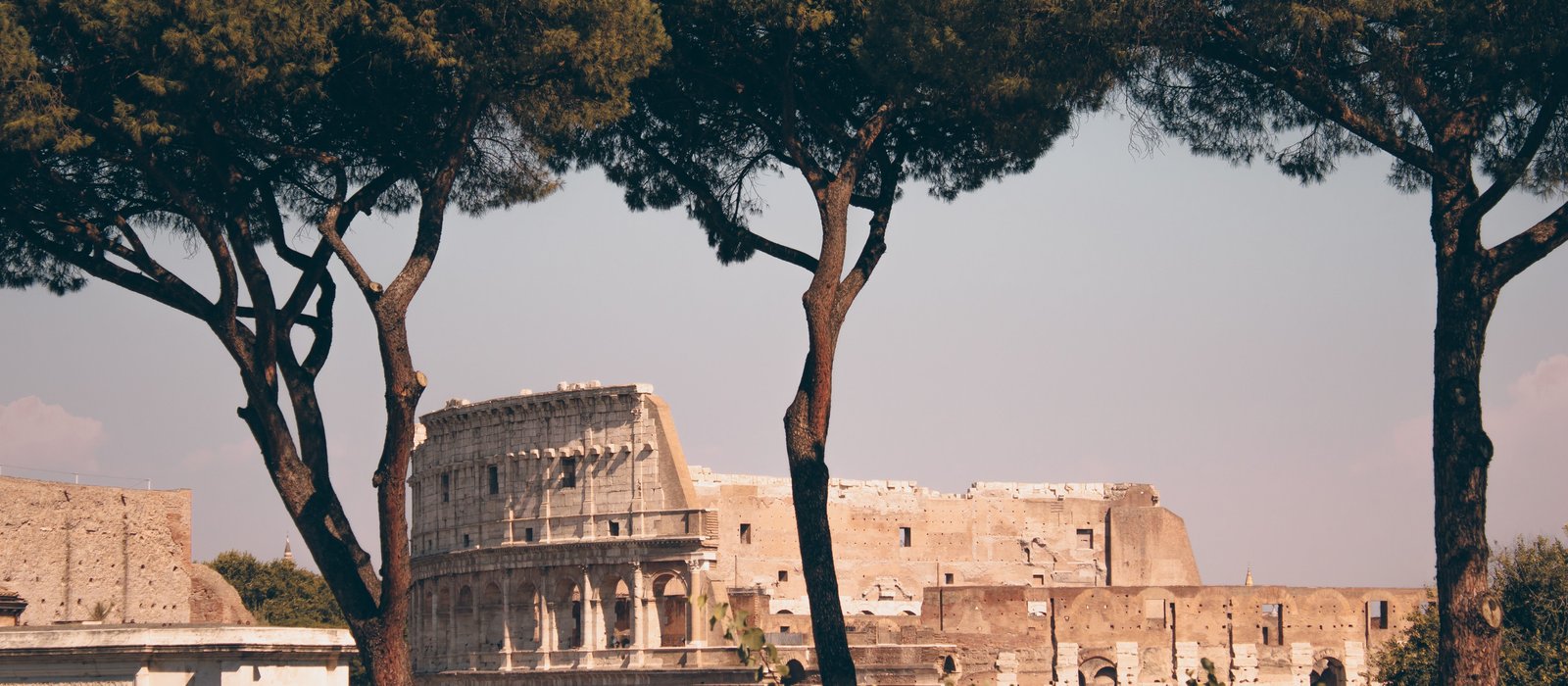
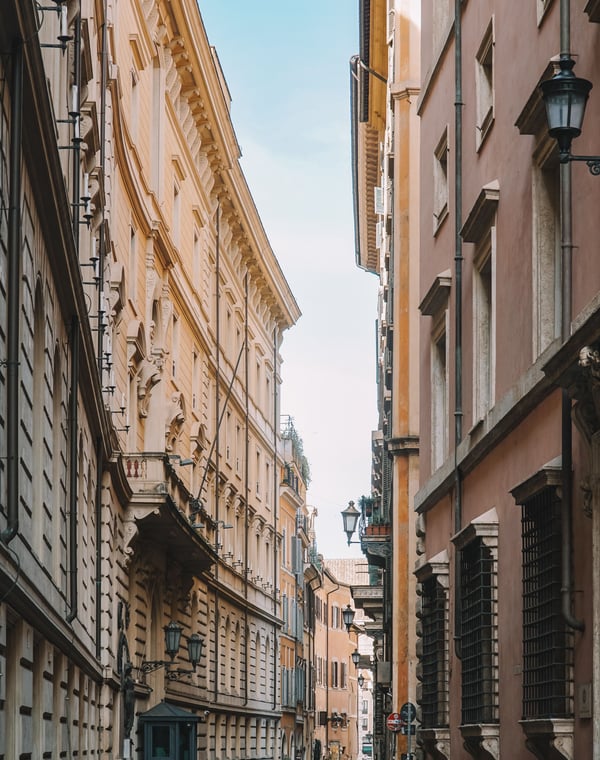
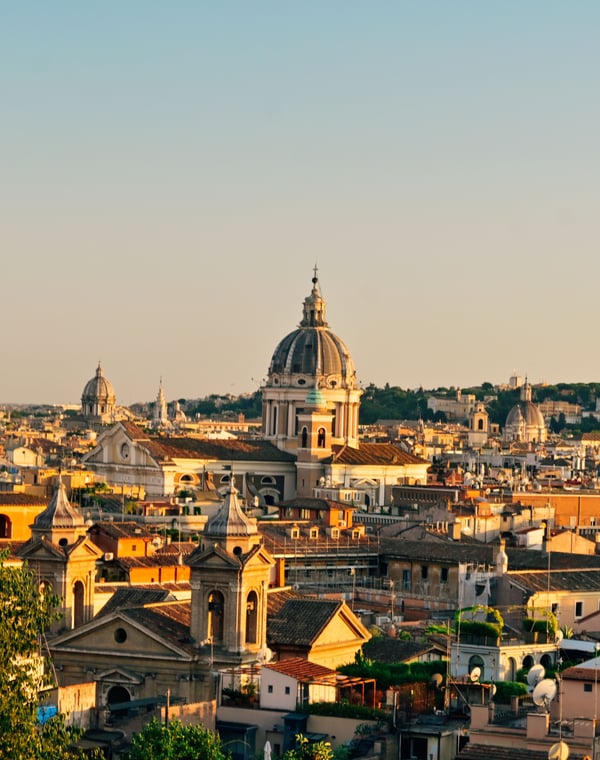
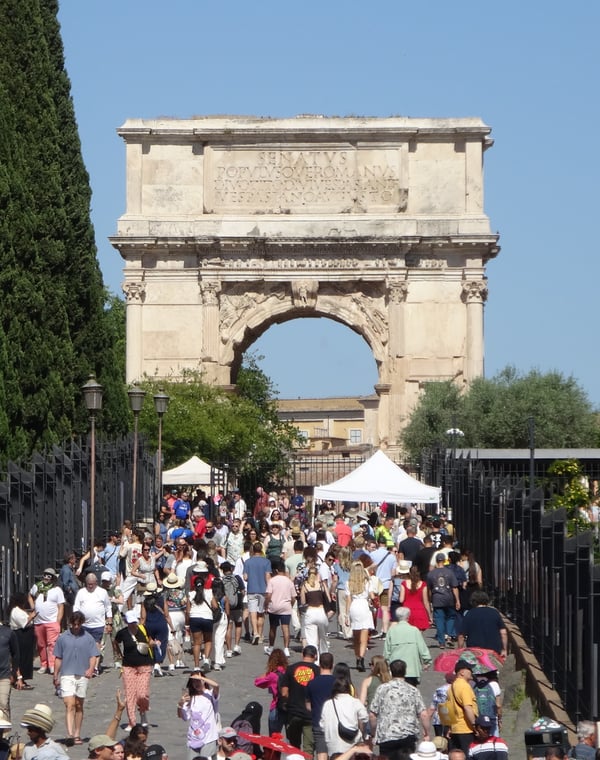
Summer is Rome's busiest season and, increasingly, its hottest — July and August regularly push into the 90s°F (mid-30s°C) and beyond, with strong sun beating down on shadeless ancient sites and crowds filling every famous piazza. But summer also has real magic: long golden evenings, outdoor dining and festivals, rooftop aperitivos, and the city alive late into the night. With the right strategy, a summer trip is not just survivable but wonderful. This guide is your playbook for beating the heat and crowds and enjoying Rome at its most vibrant.
What summer in Rome is really like
Be realistic about the conditions:
- Heat: July and August are hot and often humid, frequently in the 90s°F (32–37°C+), with intense midday sun and little shade at the big ancient sites (the Forum and Colosseum are brutal at noon). Heatwaves are increasingly common.
- Crowds: summer is peak tourist season — the Vatican, Colosseum, Trevi, and Spanish Steps are packed, queues are long, and popular restaurants fill up.
- August's quirk: around Ferragosto (Aug 15), many Romans leave for vacation and some family-run shops and restaurants close for part of the month — fewer locals, more tourists, and a slightly hollowed-out local feel. Most major sights stay open, but note the Vatican Museums close on August 14 and 15 for the holiday, so plan your Vatican visit around those dates.
- The upside: long days, balmy evenings, a buzzing outdoor scene, summer festivals, rooftop bars, and late dinners under the stars — Rome's summer nightlife and atmosphere are genuinely special.
Beating the heat: the daily rhythm
The single most important strategy is timing your day around the heat, the way Romans do:
- Start early. Hit the outdoor sights (Forum, Colosseum, walking tours) first thing in the morning, when it's coolest and crowds are thinnest. This is non-negotiable in a heatwave.
- Retreat midday. From roughly noon to 4 p.m., do indoor, air-conditioned things — museums (Vatican, Borghese, Capitoline), a long lunch, your hotel for a siesta. Don't fight the peak heat outdoors.
- Resume late afternoon and evening. Head back out as it cools — more sights, aperitivo, dinner, an evening stroll. Rome's evenings are the best part of summer.
- Embrace the late night. Dinner at 9, a floodlit Trevi after 10 (now free again late — see our Trevi guide), a rooftop drink — summer is when Rome stays up.
Staying cool and hydrated
- Drink constantly — carry a refillable bottle and use the free nasoni fountains all over the city (cold, clean, everywhere).
- Sun protection — hat, sunglasses, high-SPF sunscreen; the midday sun is fierce.
- Dress for heat — light, breathable fabrics, but keep a layer for AC and churches (covered shoulders/knees still required — see our dress code guide).
- Seek shade and AC — duck into churches (cool and free), museums, and cafés to reset.
- Walkable sandals — breathable but sturdy for cobblestones.
- Know the heat signs — pace yourself, rest, and take heat exhaustion seriously, especially with kids and older travelers.
Beating the crowds
- Book everything ahead — skip-the-line/timed tickets for the Colosseum, Vatican, Borghese, Pantheon are essential in summer (see our skip-the-line guide).
- Go early or late to the famous sights — the Trevi, Spanish Steps, and Pantheon are far better at 8 a.m. or after dark than midday.
- Eat off the tourist drags — popular central restaurants are mobbed; the side streets and local neighborhoods (Testaccio, Trastevere's back lanes) are better (see our dining guides).
- Consider day trips — escape the city heat with a trip to the coast (Ostia), the cooler hills (Tivoli, the Castelli Romani), or a lake.
Escaping the city heat (day-trip relief)
When the city becomes a furnace, the Romans themselves head out — and you can too. A summer day trip is both a sightseeing win and a heat-relief strategy:
- The coast (Ostia): Rome's nearest beaches are a short, cheap train ride away (Metro to Piramide, then the Roma–Lido line). Lido di Ostia and the beaches beyond offer sea breezes and a swim — combine with the ancient ruins of Ostia Antica (best done early before the heat, as the ruins are shadeless). A classic Roman summer escape.
- The hills (Castelli Romani): the Alban Hills southeast of Rome are noticeably cooler, with hill towns, crater lakes (Albano, Nemi) you can swim in, wineries, and shade. Frascati and Castel Gandolfo are easy by train (see our Castelli Romani guide).
- Tivoli: the gardens and fountains of Villa d'Este are a watery, shaded relief, and the hill town sits a bit cooler than the city (see our Tivoli guide).
- The lakes: Lake Bracciano (reachable by train) offers swimming and a breeze for a full cool-down day.
The pattern: when a heatwave hits, trade a sweltering city day for water and elevation. Even a half-day at the coast or in the hills resets you, and you return to enjoy Rome's evening at its best. Just travel early to beat the worst heat in transit, and bring sun protection wherever you go.
Making the most of summer's magic
Summer isn't just to be endured — lean into what it does best:
- Long golden evenings — the light at 7–8 p.m. is glorious; plan your best wandering then.
- Outdoor dining and aperitivo — al fresco everywhere; rooftop bars at sunset (see our rooftop guide).
- Summer festivals and events — open-air cinema, concerts, the Festa de' Noantri in Trastevere, riverside events along the Tiber.
- Late nights — the city stays alive; embrace the Roman habit of late dinners and evening strolls.
- Gelato as a survival tool — frequent, joyful, and cooling.
The bottom line
Summer in Rome means heat and crowds, but with the right rhythm it's vibrant and rewarding. The key is to live like a Roman: sightsee early, retreat to AC and a long lunch midday, and come back out as it cools for the city's magical long evenings. Hydrate constantly at the nasoni, protect yourself from the sun, book every major sight ahead to skip the queues, and time the famous spots for early morning or late night. Know that August's Ferragosto empties the city of locals and shutters some spots — manageable, just expect it. Play it smart, and summer delivers Rome at its most alive.
Keep planning
Not sure how it all fits together?
Pick your trip length and we'll route a real day-by-day plan.
Build your trip →