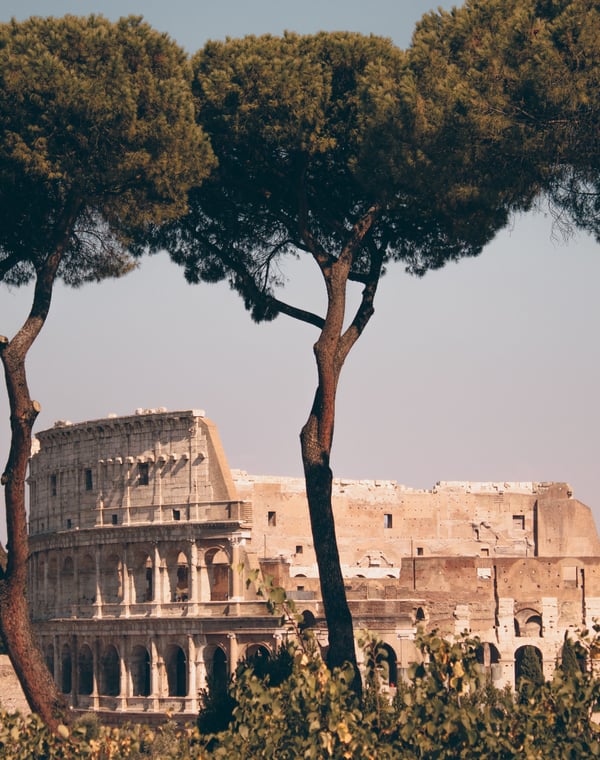
There's no single "best" time to visit Rome — there's the best time for you, depending on whether you're optimizing for weather, crowds, cost, or some balance of the three. The short version that most travelers land on: spring and fall are the sweet spot, summer is hot and crowded, and winter is the quiet bargain. But the nuances matter, and a few specific dates are worth knowing about before you book. Here's how to choose your window.
The quick answer
- Best overall (weather + atmosphere): April–May and September–October. Mild temperatures, long days, the city at its most pleasant — which is also why these are the busiest and priciest months.
- Cheapest and quietest: late autumn and winter (November–March, excluding the holiday period). Cooler and some rain, but thin crowds and the lowest prices.
- Hottest and most crowded: June–August. Long sunny days but genuinely hot, peak tourist density, and August brings a local quirk worth knowing (below).
Season by season
Spring (April–June)
The postcard season. Mild, sunny days, blooming gardens, and Rome's artichokes at their seasonal peak. The trade-off is crowds and higher prices, climbing as summer approaches. Easter is beautiful but brings huge crowds and Vatican-area congestion. Late April into early June is many people's ideal.
Summer (July–August)
Hot — regularly into the low-to-mid 30s°C (90s°F) — and the sun on unshaded ancient stone (the Forum, the Palatine) is no joke. Crowds peak, and lines are longest. If you come in summer, the strategy is non-negotiable: book timed entries, start early, rest in the heat of the afternoon, and explore again in the cooler evening. One local quirk: in August, especially around Ferragosto (Aug 15), many Romans leave the city and some family-run shops and trattorias close for holidays — the major sights stay open, but your favorite neighborhood spot might not.
Fall (September–October)
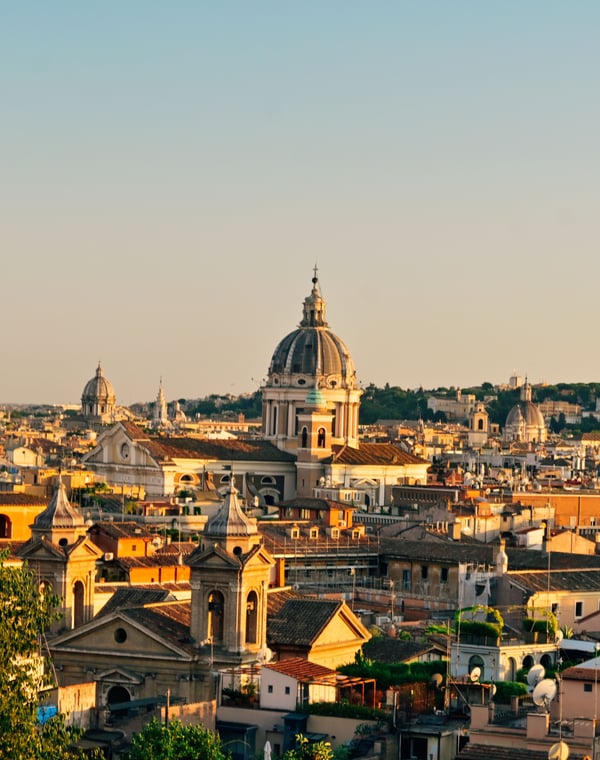
For many, the best of all: summer's warmth fading to comfortable, crowds thinning from their peak, and the light turning golden. September still feels like summer without the worst heat; October is mild and lovely. Prices ease from the summer peak. If someone forced us to pick one month, it might be October.
Winter (November–March)
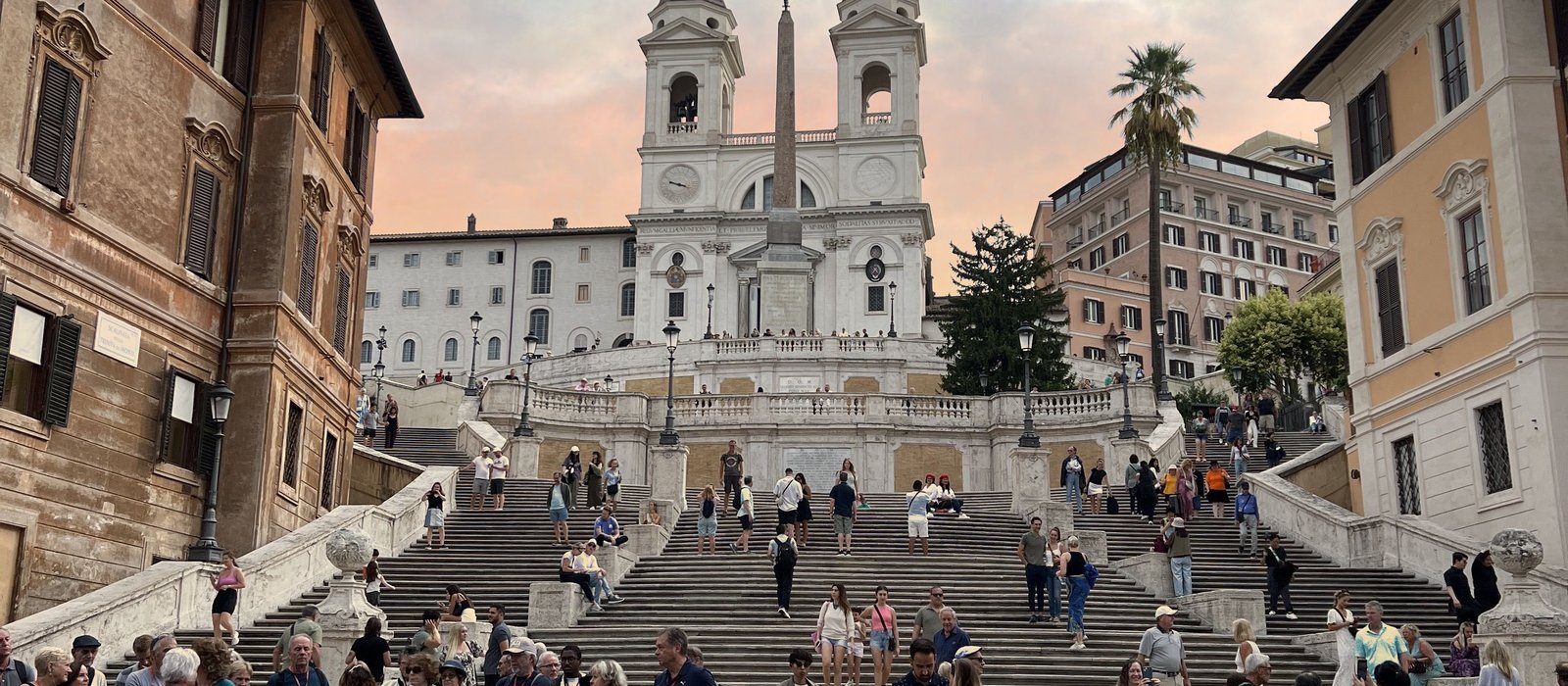
Rome's quiet bargain. Cool (chilly but rarely freezing) with some rain, shorter days — but the lowest prices, the thinnest crowds, and the chance to stand in front of the Trevi Fountain or inside St. Peter's without a scrum. Pack layers and a rain jacket. The glaring exception is the Christmas and New Year period, when the city fills up again and prices spike, especially around the Vatican.
Crowds, prices, weather — pick your priority
Think of it as a triangle; you usually optimize for two:
- Want the best weather + atmosphere? Spring or fall — accept higher crowds and cost.
- Want the lowest prices + fewest people? Winter (not the holidays) — accept cool, possibly wet weather.
- Want long warm days and don't mind heat/crowds? Summer — but commit to the early-start, evening-out strategy.
Dates and events worth planning around
A few specifics that should shape your timing:
- Easter (Holy Week): religiously significant and spectacular at the Vatican, but expect enormous crowds and accommodation pressure.
- Christmas & New Year: festive and atmospheric, but busy and pricey, with some closures on the holidays themselves.
- Ferragosto (Aug 15) and mid-August: many locals on holiday; some neighborhood businesses closed, though tourist sights operate.
- First Sunday of the month: state museums (Colosseum, Forum, etc.) are free — wonderful for the budget, but the busiest day of the month at those sites. Plan around the crowds, not just the savings.
- Jubilee / Holy Years and major papal events can dramatically increase Vatican-area crowds; check whether your dates coincide with anything major before booking.
What to pack by season
Quick packing cues once you've picked your window:
- Spring/fall: layers. Mornings and evenings are cool, afternoons warm; a light jacket or sweater plus a compact umbrella covers the variability. Comfortable walking shoes always.
- Summer: light, breathable clothing, a hat, sunglasses, sunscreen, and a refillable water bottle — but also a scarf or light layer to cover shoulders and knees for churches (the dress code is enforced regardless of heat).
- Winter: a warm coat, layers, and a rain jacket or umbrella; it's chilly and damp rather than frigid, but you'll be outside a lot.
- Any season: real walking shoes for the cobblestones, and that church-appropriate cover-up — St. Peter's and the Sistine Chapel turn away bare shoulders and knees year-round.
A realistic word on Roman weather
Don't over-plan around averages — Rome's weather has range within every season. Spring and fall can hand you a flawless 22°C (72°F) afternoon or a grey, drizzly one, sometimes in the same week, which is exactly why layers beat a fixed wardrobe. Summer is reliably hot and dry, with the real challenge being the intensity of midday sun on open, unshaded ancient sites rather than humidity. Winter is mild by Northern-Europe or US-Northeast standards — chilly and sometimes wet, but snow is rare and a sunny winter day in Rome is genuinely lovely and crowd-free. The practical takeaway: pick your season for crowds and cost as much as weather, because Rome is enjoyable year-round and the forecast a week out will tell you more than any seasonal average.
A few practical timing tips
- Whenever you go, book the big timed entries ahead (Colosseum, Vatican, Borghese) — crowd season just makes it more urgent.
- Shoulder-season weather is variable — spring and fall can deliver a perfect 22°C day or a cool rainy one; pack layers.
- Check the live forecast close to your trip rather than trusting seasonal averages, and remember summer afternoons are for resting, not for the Forum.
- Prices track the crowds — if budget is your priority, the same hotel can cost dramatically less in February than in May.
The bottom line
For most first-timers, spring (April–May) or fall (September–October) is the best time to visit Rome — mild, beautiful, and lively, at the cost of crowds and higher prices. Choose winter for the quiet and the bargains, summer only with a heat-and-crowds strategy, and watch the calendar for Easter, the holidays, Ferragosto, and free first Sundays. Match the season to whether you value weather, cost, or quiet most — and Rome rewards you in any of them.
Keep planning
Not sure how it all fits together?
Pick your trip length and we'll route a real day-by-day plan.
Build your trip →