If you want to eat your way through the real Rome — the city's authentic food culture, away from the tourist traps — the Mercato di Testaccio is the place to do it. This modern covered market in the heartland of Roman cuisine is a street-food paradise where the famous trapizzino was born, where locals shop and graze, and where a few euros buys some of the best, most genuine bites in the city. This guide covers the market itself, the must-try foods, and how to make the most of a delicious morning in Testaccio.
What the Testaccio Market is
The Mercato di Testaccio is a modern, covered market in the Testaccio neighborhood — the working-class quarter that's the birthplace heartland of cucina romana (see our Testaccio guides). Housed in a purpose-built structure since 2012 (rebuilt on its Testaccio site, with archaeological remains visible beneath the walkways), it blends traditional produce, meat, fish, and cheese stalls with a celebrated cluster of street-food and prepared-food vendors. It's where locals do their shopping and where food-lovers come to graze — un-touristy, vibrant, and genuinely delicious. Open mornings into the early afternoon, Monday–Saturday (check current hours).
It's the antidote to the tourist-trap restaurant: cheap, authentic, local, and bursting with the real flavors of Rome.
The must-try bites
This is the reason to come. The market's prepared-food stalls are legendary:
Trapizzino (the icon — born here)
The trapizzino is Testaccio's gift to street food: a triangular pocket of pizza-like bread stuffed with classic Roman braised dishes — pollo alla cacciatora (hunter's chicken), polpette al sugo (meatballs in tomato), coda alla vaccinara (oxtail), and more. Born in the Testaccio neighborhood (the creation of pizzaiolo Stefano Callegari) and championed by the market's stalls and the nearby Trapizzino shop, it's the perfect hand-held taste of Roman home cooking. The single must-eat.
Supplì
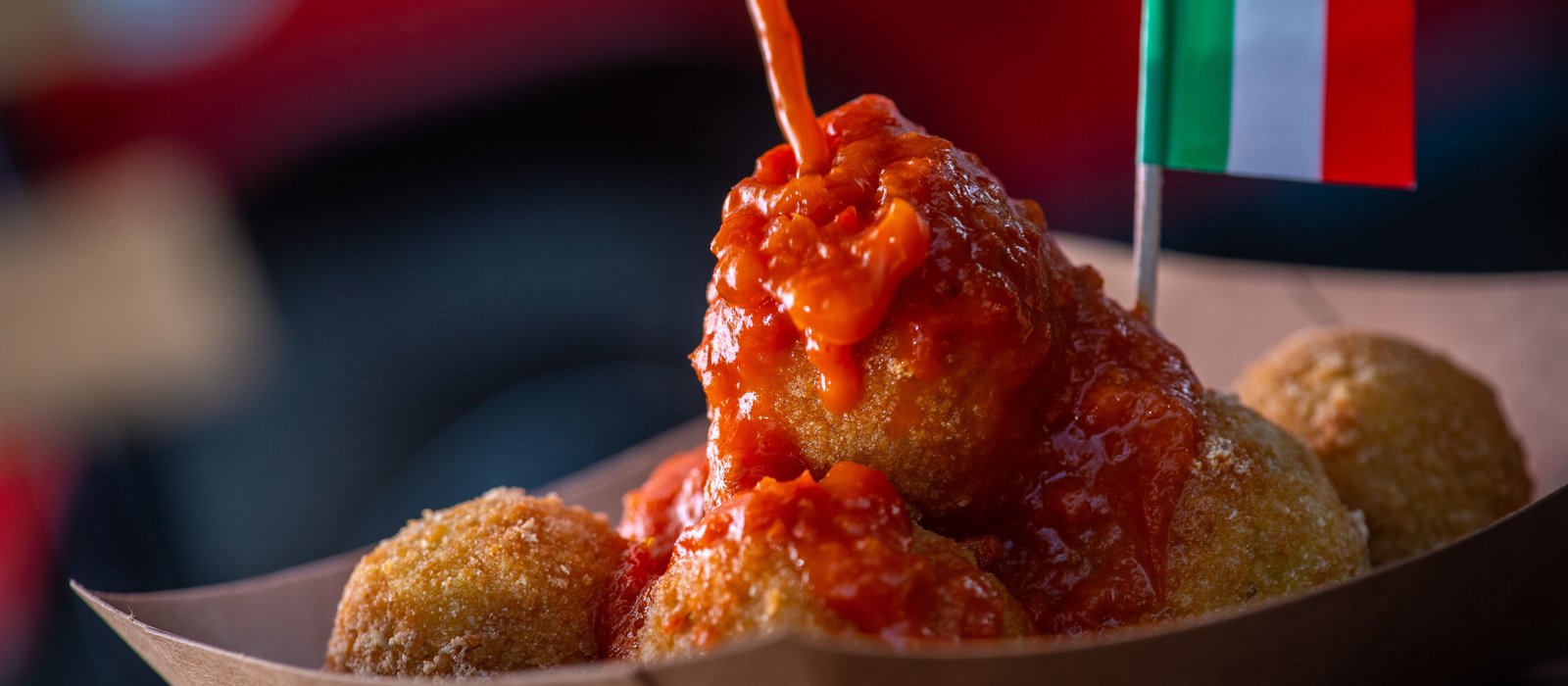
Rome's beloved fried snack — a breaded, deep-fried rice croquette with a molten mozzarella center (the classic supplì al telefono, named for the cheese "phone-line" string when you bite it). Crispy, gooey, irresistible — get them fresh and hot.
Pizza al taglio
Pizza by the slice/weight — Roman-style, cut with scissors, sold by the etto. Various toppings, perfect for grazing; point at what looks good.
Roman classics, market-style
- Allesso di scottona — a famous beef-in-broth sandwich (a market specialty, beloved by locals).
- Fresh pasta — stalls selling Roman pasta dishes to eat right there.
- Baccalà (fried salt cod) and other fritti.
- Porchetta — herbed roast pork, sliced into a sandwich.
- Cheese and cured meats — sample pecorino romano and local salumi.
Sweet finish
- Gelato or Roman pastries, or a market espresso to round off the graze.
The market's place in Roman food culture
Part of what makes eating here special is the context. Testaccio isn't just a neighborhood with a good market — it's the birthplace of modern Roman cuisine, and the market sits at its heart. The area grew up around the old slaughterhouse (the Mattatoio), and the workers were historically paid partly in the "fifth quarter" (quinto quarto) — the offal and off-cuts left after the prime meat went to the wealthy. Roman cooks turned those humble ingredients into the now-iconic dishes (oxtail, tripe, sweetbreads) that define cucina romana, and that tradition of making something extraordinary from modest, honest ingredients runs straight through the market today. The trapizzino itself is the modern continuation of that idea — taking classic Roman braises (the kind born from that resourceful, working-class kitchen) and reinventing them as brilliant street food. So when you graze the Testaccio Market, you're not just eating well cheaply; you're tasting the actual living history of how Romans learned to cook — peasant ingenuity elevated to civic identity. That lineage is why the food here feels so rooted compared to the generic tourist plates near the monuments: it comes from a real place, a real history, and a real neighborhood that still eats this way. It's the most authentic, meaningful — and delicious — food education in the city, served a few euros at a time.
How to do the market
A perfect market morning:
- Go in the morning (it winds down by early afternoon) — ideally hungry, for a grazing brunch.
- Graze across stalls — the joy is sampling: a trapizzino here, a supplì there, a slice of pizza, a sweet to finish. Small bites from several vendors.
- Bring cash (small notes) — many stalls prefer it, though cards are increasingly taken.
- Eat where the locals queue — the busy stalls are busy for a reason.
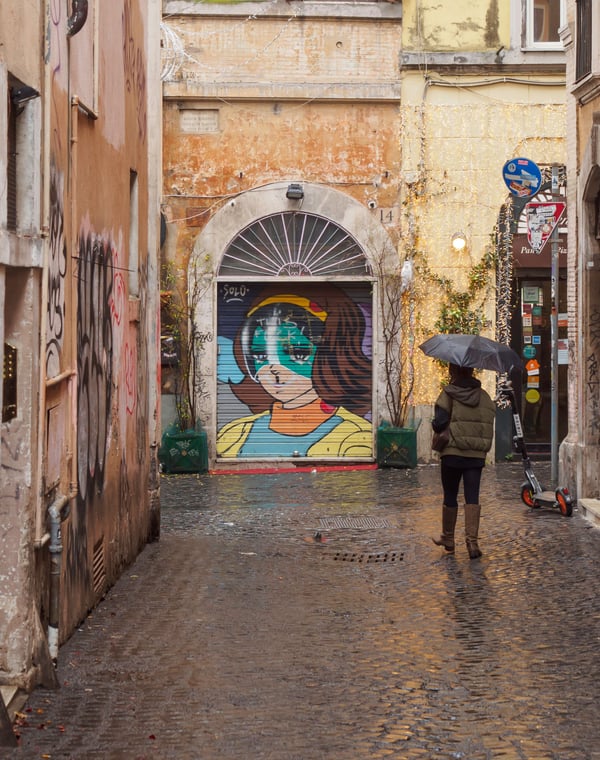
- Combine with the neighborhood — pair the market with a wander through Testaccio (the offal-tradition trattorias, the Protestant Cemetery and Pyramid nearby, the slopes of Monte Testaccio) and the adjacent Ostiense street art (see those guides).
- Consider a food tour — a guided market/Testaccio food tour gets you the stories and the best vendors (and is a great intro to Roman cuisine).
Why it beats a tourist restaurant
The Testaccio Market is the opposite of a tourist trap: the food is authentic Roman, made for locals; it's cheap (a few euros a bite); it's lively and real; and you taste a range of the city's classics in one place rather than a single overpriced plate. For first-timers who want to understand Roman food — and eat brilliantly while doing it — a morning grazing the market teaches more (and costs less) than a dozen mediocre meals near the sights.
The bottom line
The Mercato di Testaccio is where you eat the real Rome: a modern covered market in the heartland of Roman cuisine, where the trapizzino was born and where a few euros buys some of the city's best, most authentic bites. Come hungry in the morning and graze across the stalls — trapizzino, supplì, pizza al taglio, the beef-broth sandwich, porchetta, and a sweet to finish — eating where the locals queue. Pair it with a wander through Testaccio and Ostiense, bring some cash, and you'll have one of the most delicious, genuine, and affordable food experiences in all of Rome — the perfect antidote to the tourist traps near the sights.
Keep planning
Not sure how it all fits together?
Pick your trip length and we'll route a real day-by-day plan.
Build your trip →