If you want to eat the way Romans actually eat — and understand where Roman cuisine came from — go to Testaccio. South of the center and largely off the tourist trail, this working-class neighborhood was built around the city's old slaughterhouse, and that history made it the heartland of Rome's most iconic dishes: the four classic pastas and the bold "fifth quarter" offal cooking it can genuinely claim as its own. Today it's a proud, authentic quarter with a brilliant food market, beloved old-school trattorias, and barely a tourist in sight. For food-lovers, it's the most rewarding neighborhood in Rome. Here's why, and how to do it.
Why Testaccio matters
Testaccio's identity is built on food, and specifically on its past as the home of Rome's main slaughterhouse (the Mattatoio). The workers were often paid partly in offal — the "quinto quarto" (fifth quarter), the organ meats left after the prime cuts went to the wealthy — and Testaccio's cooks turned those humble ingredients into a defining cuisine. This is the neighborhood where cucina romana was forged: not just the offal dishes, but the cheap, brilliant pasta classics (cacio e pepe, carbonara, amatriciana, gricia) that are now famous worldwide. Eating in Testaccio is eating Roman food at its source.
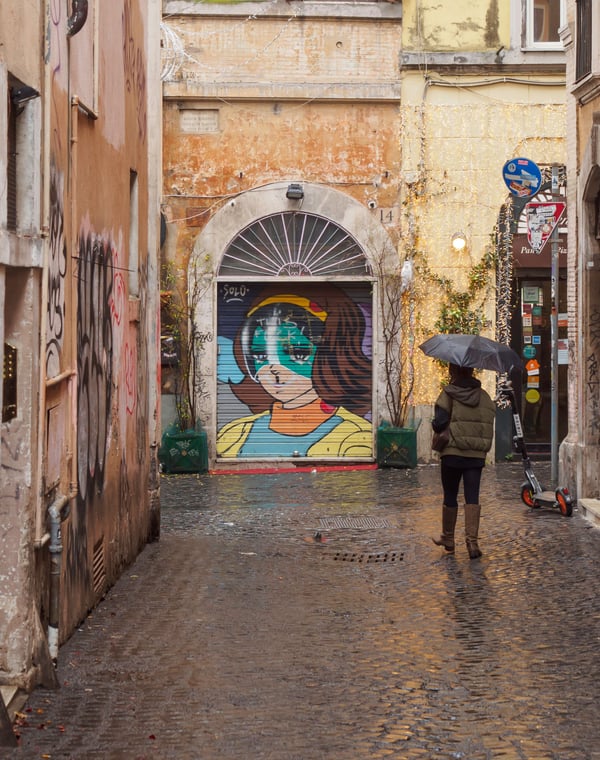
Beyond food, it's a genuine residential neighborhood — proud, a little gritty, entirely real — which is exactly its charm for visitors tired of tourist crowds.
The food: what to seek out
Testaccio is a destination for eating, so come hungry:
- The Testaccio Market (Mercato di Testaccio) — a modern covered market that's a food-lover's paradise: produce stalls alongside outstanding street-food vendors. It's the perfect spot for a casual, delicious lunch (the famous trapizzino — a pizza-pocket stuffed with classic Roman braises — was born here, and the market has a stand). (See our Testaccio market guide.)
- The classic trattorias — Testaccio's old-school restaurants are where Romans go for the four pastas and traditional dishes done with no compromise. This is the heartland of cucina romana (see our trattorias and pasta-classics guides).
- The offal tradition — for the adventurous, Testaccio is the place to try the "fifth quarter" dishes (coda alla vaccinara — oxtail; trippa — tripe; and more), done as well as anywhere in the city.
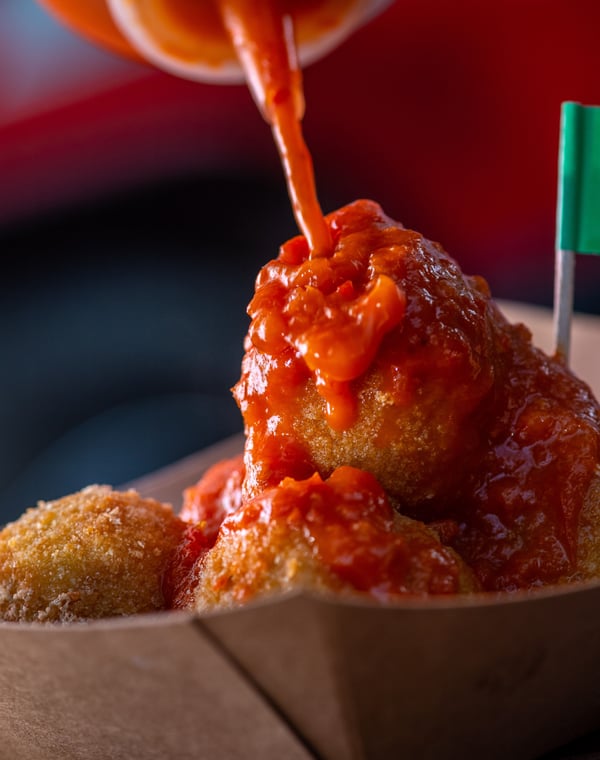
- Pizza, supplì, and street food — casual Roman staples abound.
Understanding the "fifth quarter"
To really get Testaccio, it helps to understand the idea at the heart of its cuisine: the quinto quarto, the "fifth quarter." When an animal was butchered at Testaccio's slaughterhouse, it was divided — roughly — into four "quarters" of prime meat that went to the nobility, the clergy, the bourgeoisie, and the military. What was left over — the offal, the organs, the tail, the cheek, the tripe — was the "fifth quarter," and it went to the slaughterhouse workers as part of their pay. Out of economic necessity, Testaccio's cooks learned to transform these humble, challenging cuts into deeply flavorful dishes: coda alla vaccinara (oxtail braised with tomato and celery), trippa alla romana (tripe in tomato sauce), rigatoni con la pajata (pasta with milk-fed calf intestines), and more. This is cucina povera — "poor cooking" — at its most ingenious, making something extraordinary from what others discarded. You absolutely don't have to order offal to love Testaccio's food, but understanding the fifth quarter explains why this unassuming neighborhood, and not the grand center, is the true home of Roman cuisine.