Ask anyone who's been to Rome for their favorite neighborhood, and the answer is very often Trastevere. Across the Tiber from the historic center, this maze of cobbled lanes, ivy-draped façades, and sunlit piazzas is the Rome of postcards and daydreams — bohemian, beautiful, and full of life. It's wonderful by day and magical by night, and while it's no secret anymore, it still rewards anyone who wanders past the busiest squares. This is your guide to Trastevere by daylight: what to see, where to wander, and how to fall for the quarter the way everyone else does. (For the evening scene specifically, see our Trastevere After Dark guide.)
What makes Trastevere special
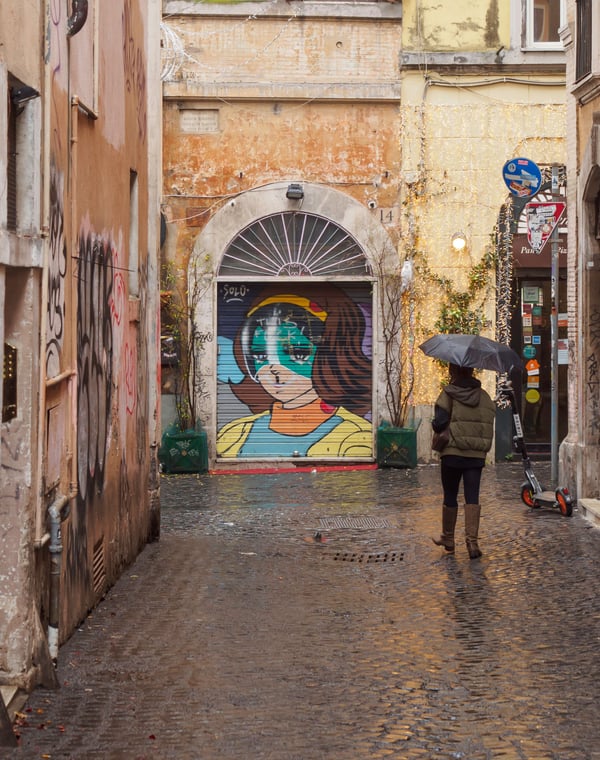
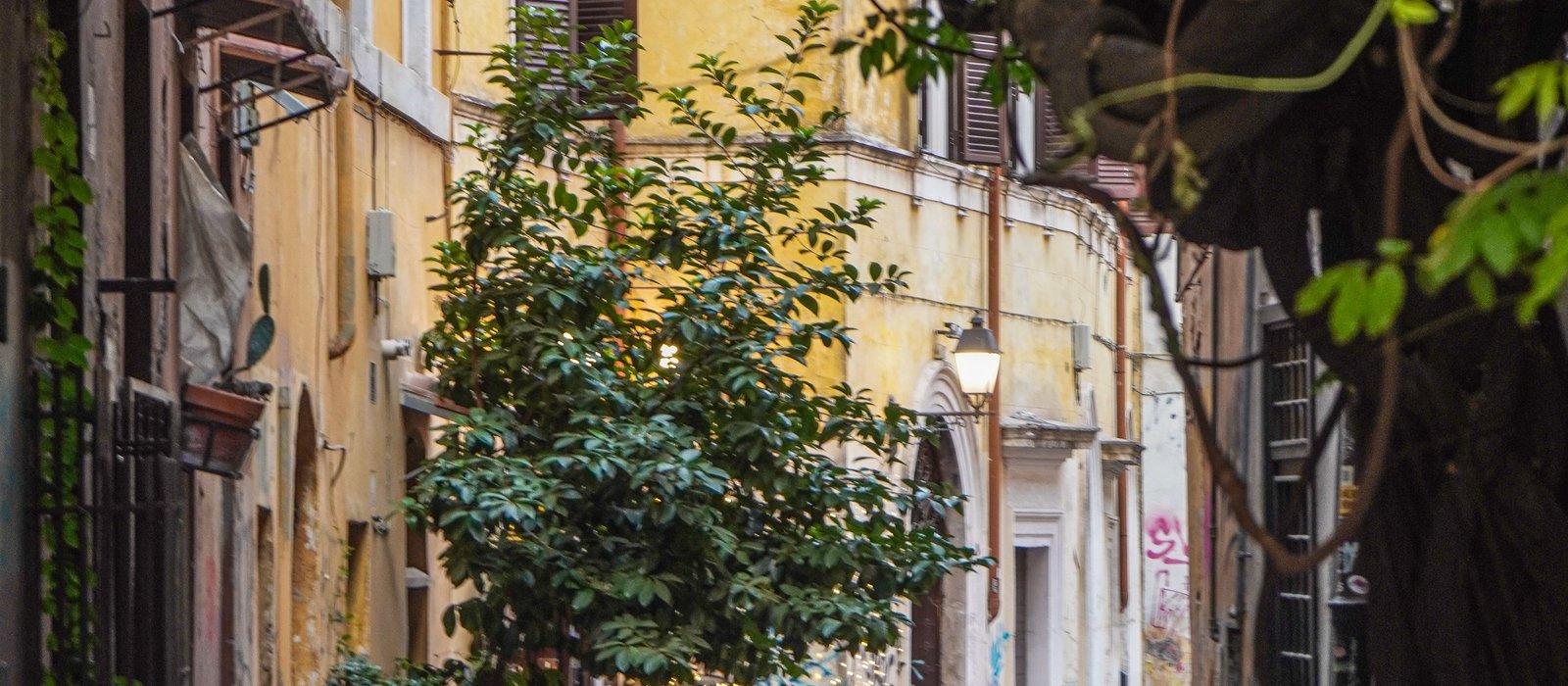
The name means "across the Tiber" (trans Tiberim), and the neighborhood has always had a slightly separate, independent character — historically a working-class quarter of artisans and immigrants that kept its own identity, now a beloved blend of medieval Rome and lively modern life. Its appeal is atmospheric more than monumental: the pleasure is the streets themselves — narrow, winding lanes of warm ochre and terracotta, laundry strung overhead, vines and flowers everywhere, opening suddenly onto pretty piazzas. It feels like the Rome of imagination, and it's compact enough to explore entirely on foot.
What to see
Trastevere is light on blockbuster sights and heavy on charm, but a few anchors are worth seeking out:
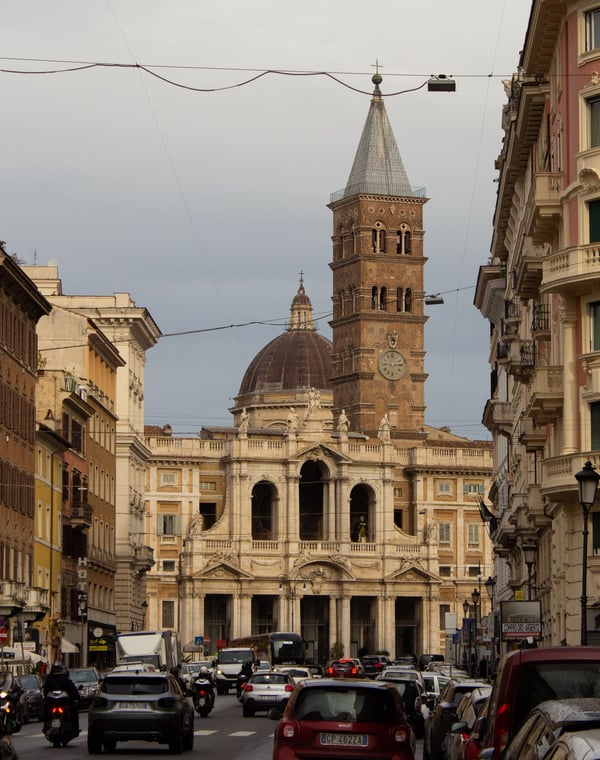
- Basilica di Santa Maria in Trastevere — one of Rome's oldest churches, on the neighborhood's main square, glowing inside with golden medieval mosaics. The piazza in front, with its fountain, is the heart of Trastevere (and the most touristy spot — lovely, but not where the locals eat).
- Basilica di Santa Cecilia — a quieter, beautiful church with a famous sculpture of the martyred saint and (for a small fee) remarkable frescoes and an excavated Roman house below.
- Villa Farnesina — a Renaissance villa with frescoes by Raphael and his school; an under-visited gem.
- The Gianicolo (Janiculum Hill) — rising above Trastevere, it offers one of Rome's great panoramas over the city's rooftops and domes. Worth the climb, especially toward sunset.
- Orto Botanico — Rome's botanical garden, a green, tranquil escape on the slopes below the Gianicolo.
But honestly, the main "attraction" is wandering — the sights are a bonus to the simple pleasure of getting pleasantly lost in the lanes.
How to spend a first day in Trastevere
A relaxed plan that captures the quarter:
- Cross over on foot from the Centro Storico — the walk across one of the Tiber bridges (Ponte Sisto is the classic pedestrian route) is part of the experience.
- Start at Santa Maria in Trastevere, see the mosaics, then immediately leave the main square and wander the side streets — west and south of the piazza, where it's quieter and more authentic.
- Lunch at a trattoria a few blocks off the main drag (the Roman classics — cacio e pepe, carbonara — done right; see our trattorias guide).
- Climb the Gianicolo in the afternoon for the panorama, or visit the Orto Botanico or Villa Farnesina.
- Linger into the evening — Trastevere transforms beautifully after dark, so an afternoon visit easily rolls into aperitivo and dinner (covered in our after-dark guide).