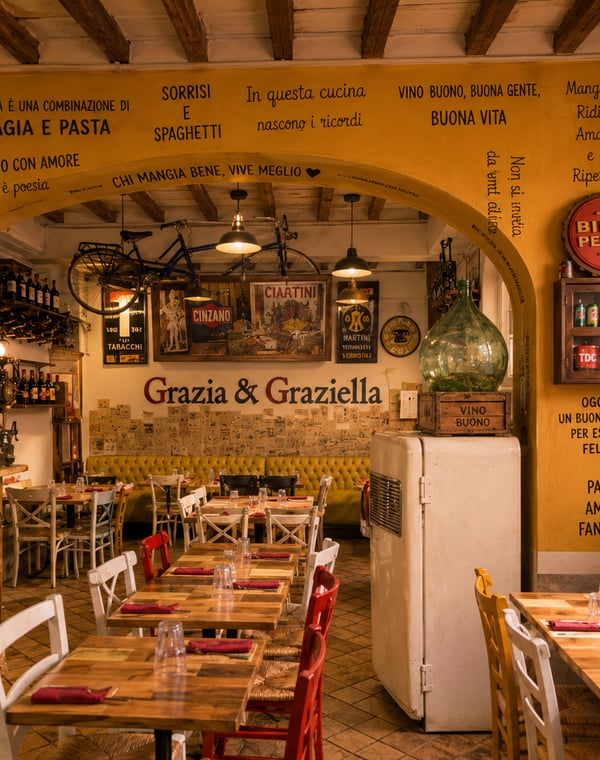
Rome is a city of glorious trattoria cooking — humble, soulful, four-pastas-and-a-carafe dining. But it also has a refined, ambitious side: Michelin-starred tasting menus, rooftop restaurants with Colosseum views, and chefs reinventing Roman tradition into something extraordinary. For a special occasion — an anniversary, a honeymoon, a once-in-a-trip blowout — Rome's fine dining can be magical. This guide covers what fine dining in Rome looks like, what makes it worth the splurge (and when a trattoria is the better call), and how to do a high-end Roman meal right.
What fine dining in Rome offers
Rome's upper-end restaurant scene spans a few distinct experiences:
- Michelin-starred restaurants — Rome has a clutch of starred kitchens, from refined modern Italian to chefs reimagining Roman classics with technique and artistry. Expect tasting menus, polished service, and serious wine lists.
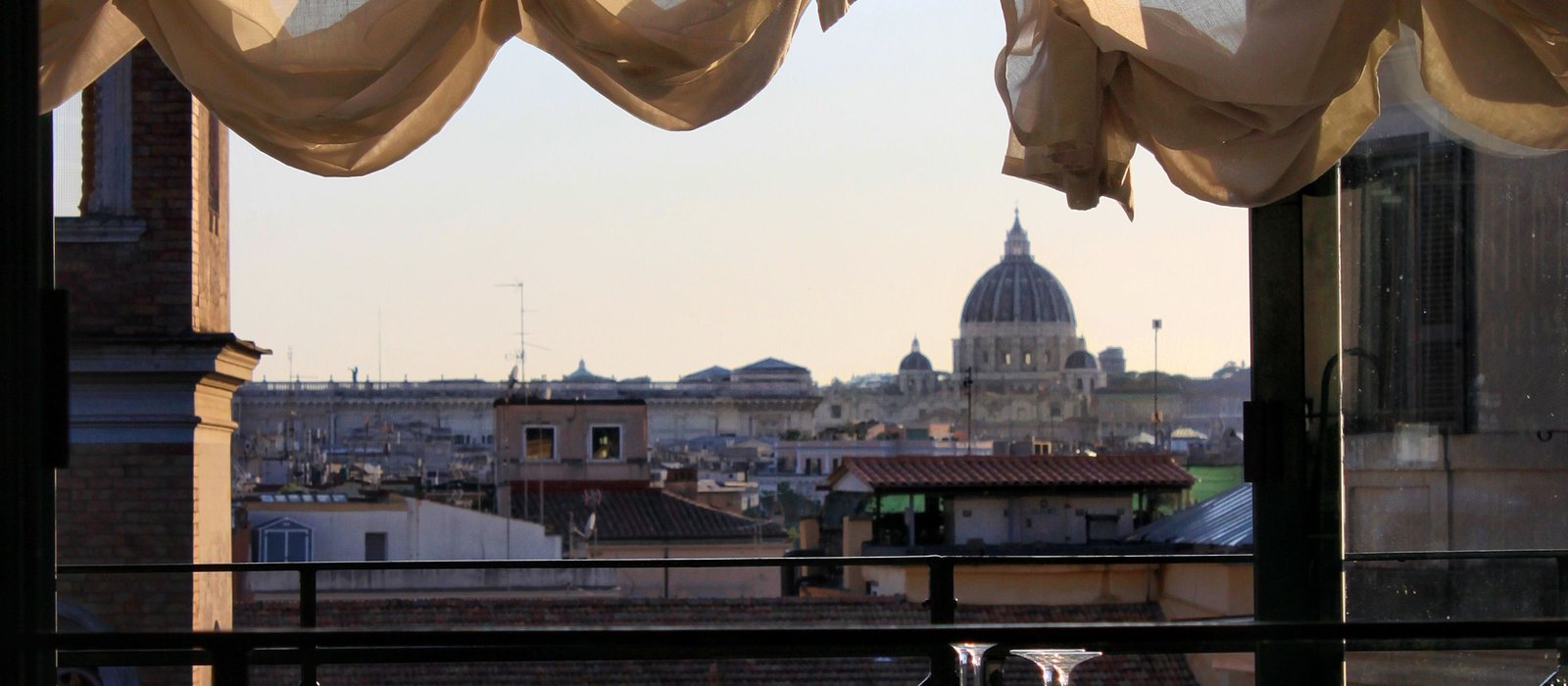
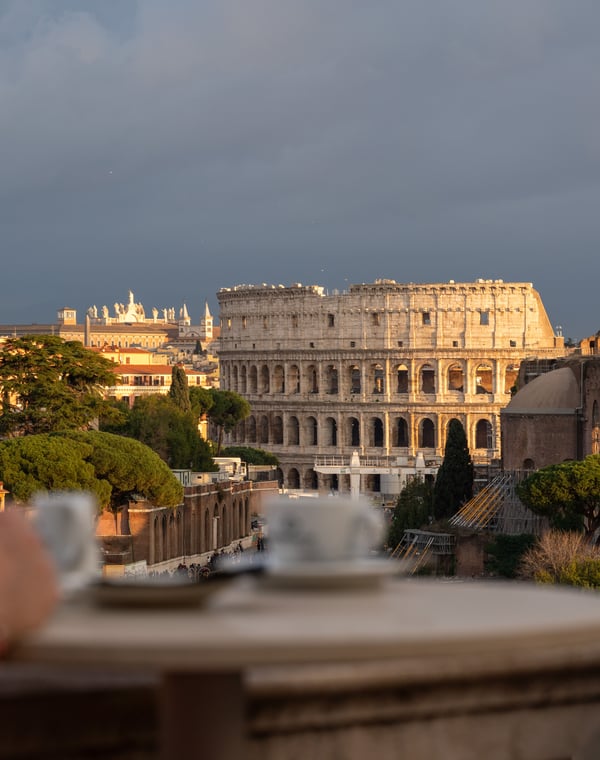
- Restaurants with a view — fine dining paired with a terrace over the Colosseum, the rooftops, or the Spanish Steps (the grand-hotel restaurants); the setting is half the splurge (see our rooftop bars and hotels-with-a-view guides).
- Elevated Roman cuisine — places that take the city's traditional dishes (the four pastas, the offal, the artichokes) and execute them at the highest level, or reinterpret them creatively.
- Historic grand-hotel dining — the city's luxury hotels host some of its most special-occasion restaurants.
Is it worth the splurge?
Honestly, it depends on what you want — and Rome is unusual in that its humble food is so good that fine dining isn't the obvious default it might be elsewhere:
Fine dining is worth it when:
- You're marking a special occasion and want the full experience — service, setting, artistry.
- You love culinary craft — tasting menus, wine pairings, technique, creativity.
- You want a view-plus-meal memory — a starred rooftop over the Colosseum is unforgettable.
- You've already had the trattoria experience and want to see Rome's refined side.
A trattoria is the better call when:
- You want the most authentic, soulful Roman food — the four pastas done perfectly in a no-frills osteria can beat a fancy plate, and is the real Rome.
- You're budget-conscious — fine dining is a serious splurge; Rome's best value and arguably best food is mid-range and humble.
- You want atmosphere over refinement — a buzzing Trastevere or Testaccio trattoria has a magic the white-tablecloth room doesn't.
The honest Roman truth: this is a city where you can eat transcendently for a moderate price in a trattoria, so fine dining here is a want, not a need — a deliberate special-occasion choice, not the way to find the "best" food. Save it for when the occasion (or the view) justifies it.
The fine-dining experiences worth knowing
To make it concrete, Rome's high-end scene clusters into a few experiences worth seeking by type (specific restaurants open, close, and gain or lose stars, so think in categories and verify current details when booking):
- Destination tasting-menu restaurants — the city's Michelin-starred kitchens, where a chef's multi-course menu degustazione with wine pairing is the full experience; book weeks ahead, dress smart, and set aside an evening.
- View-driven splurges — the rooftop and grand-hotel restaurants where a Colosseum or rooftop-sea panorama is paired with elevated cooking; here you're partly paying for the setting, and for a special occasion it's worth it (cross-check our rooftop bars and hotels-with-a-view guides).
- Elevated-Roman restaurants — kitchens that take cucina romana seriously and execute it at a refined level, or reinvent it creatively; a bridge between the trattoria soul and fine-dining polish, often the most satisfying "splurge" because it's still recognizably Roman.
- Historic fine-dining rooms — the storied restaurants inside Rome's luxury hotels, for old-world grand-occasion dining.
Because the specific names shift with the Michelin cycle and openings/closings, the smart move is to decide which type of experience you want, then check current standings and reviews close to your trip and reserve early. Whichever you choose, treat it as the trip's deliberate special meal — and let the trattorias handle the other nights.
How to do a fine-dining meal in Rome right
- Book well ahead — the starred and famous-view restaurants fill up; reserve weeks in advance for special dates.
- Check the dress code — fine-dining and grand-hotel rooftops expect smart attire (jacket-level at the top end); don't get caught out.
- Consider the tasting menu — at a starred kitchen, the menu degustazione (often with wine pairing) is the intended full experience.
- Pick your priority — pure culinary craft (a starred kitchen) vs. the view-and-occasion (a rooftop terrace); the very best combine both, at a price.
- Lunch can be smarter — some high-end places do a more accessible lunch menu — a way to experience the cooking for less.
- Mind the splurge math — tasting menus with pairings run high (check current pricing when booking); budget it as the trip's special meal.
- Tipping stays light even here — round up or a modest amount for excellent service; no US-style 20% (see our tipping guide).
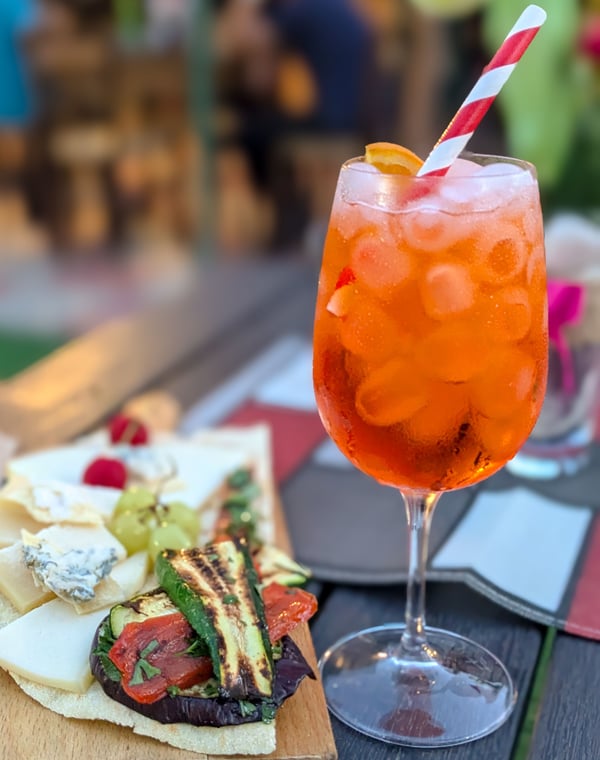
- Make a night of it — a fine-dining meal in Rome is best treated as the evening's centerpiece, not a quick stop; pair it with an aperitivo beforehand and a post-dinner passeggiata through the floodlit center (see our evening-walk guide) for a complete special occasion.
- Dietary needs — high-end kitchens handle allergies and restrictions well, but flag them when booking, especially for a fixed tasting menu, so the kitchen can adapt the courses in advance.
The bottom line
Rome's fine dining — Michelin-starred kitchens, Colosseum-view rooftop restaurants, and elevated takes on Roman cuisine — can deliver a magical special-occasion meal, and for an anniversary, honeymoon, or once-a-trip blowout it's genuinely worth the splurge, especially when a great view comes with it. But be clear-eyed: Rome is a city where humble trattoria cooking is so good that fine dining is a deliberate want, not the route to the "best" food. Book well ahead, dress the part, consider the tasting menu, and choose fine dining when the occasion or the view earns it — otherwise let Rome's soulful, affordable trattorias (see our dining guides) show you why this city's everyday food is the real star.
Keep planning
Not sure how it all fits together?
Pick your trip length and we'll route a real day-by-day plan.
Build your trip →