Roma · Vaticano · Trastevere · Colosseo · Appia Antica
Rome for AmericansThe unhurried guide
Aperitivo in Rome: Where to Have the Best Sunset Spritz
Back to home

Aperitivo in Rome: Where to Have the Best Sunset Spritz

EditorialJune 11, 2026

Aperitivo is one of Italy's most civilized inventions: the pre-dinner drink-and-snack ritual that bridges the late afternoon and Rome's famously late dinner hour. Around 6 or 7 p.m., as the heat fades and the stone turns gold, Romans gather over a spritz or a glass of wine with a few bites, easing into the evening. For visitors it's the perfect way to slow down, soak up the dolce vita, and people-watch in a great piazza or on a rooftop. Here's how aperitivo works, what to order, and where to have the best one.

What aperitivo actually is

Aperitivo is the Italian pre-dinner ritual: a drink (meant to "open" the appetite — aperire) accompanied by some food, taken in the early evening, roughly 6–8 p.m., before the late Roman dinner. It's as much about the social pause as the drink — a relaxed transition into the evening. The food component ranges from a small bowl of olives, chips, and nuts alongside your drink, to a generous spread (in some bars, an apericena — aperitivo + cena/dinner — offers a buffet substantial enough to be a light meal). It's affordable, sociable, and quintessentially Italian.

What to order

The classic aperitivo drinks are light, often bitter, and built to whet the appetite:

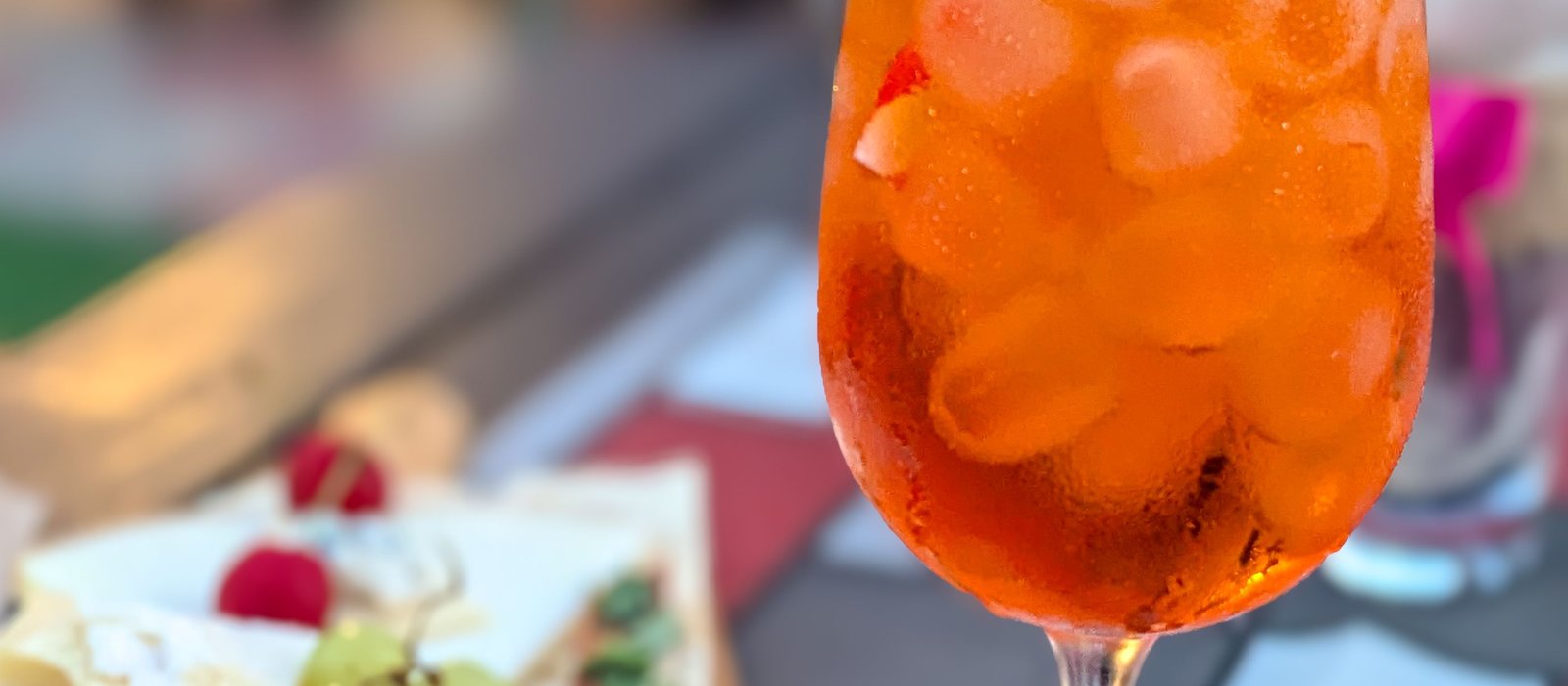
  • Aperol Spritz — the icon: Aperol, prosecco, and soda over ice with an orange slice. Bright, bittersweet, low-alcohol, and the quintessential sunset drink.
  • Campari Spritz / Negroni — for something more bitter and stronger; the Negroni (gin, Campari, sweet vermouth) is a Roman-loved classic.
  • Prosecco or a glass of wine — simple and perfect.
  • Vermouth — the original aperitivo, served on its own.
  • Crodino or Sanbittèr — non-alcoholic bitter aperitifs if you'd rather skip the booze.
  • Negroni Sbagliato — a "mistaken" Negroni with prosecco instead of gin, lighter and fizzy.

The spritz is the easy crowd-pleaser; the Negroni is the move for those who like it bitter and strong.

Where to have the best aperitivo

The setting is half the experience. Rome offers several distinct aperitivo scenes:

In the great piazzas and lanes

  • Campo de' Fiori and the streets around it — lively, central, buzzing as the market clears (eat/drink on the side streets for better value than the square).
  • Piazza Navona area — atmospheric, if tourist-priced on the square itself.
  • The Pantheon and centro storico — countless little bars in the lanes.

In Trastevere

The bohemian quarter is one of the best aperitivo neighborhoods — cobbled lanes full of wine bars and casual spots that fill as evening falls, rolling naturally into dinner (see our Trastevere guides).

In Monti

The hip, local neighborhood by the Forum is a top aperitivo spot — wine bars and casual bars around Piazza della Madonna dei Monti, far less touristy than the monuments nearby (see our Monti guide).

In Testaccio and Trastevere's local pockets

For a genuinely Roman scene, the residential neighborhoods deliver wine bars and enoteche where locals unwind.

On a rooftop

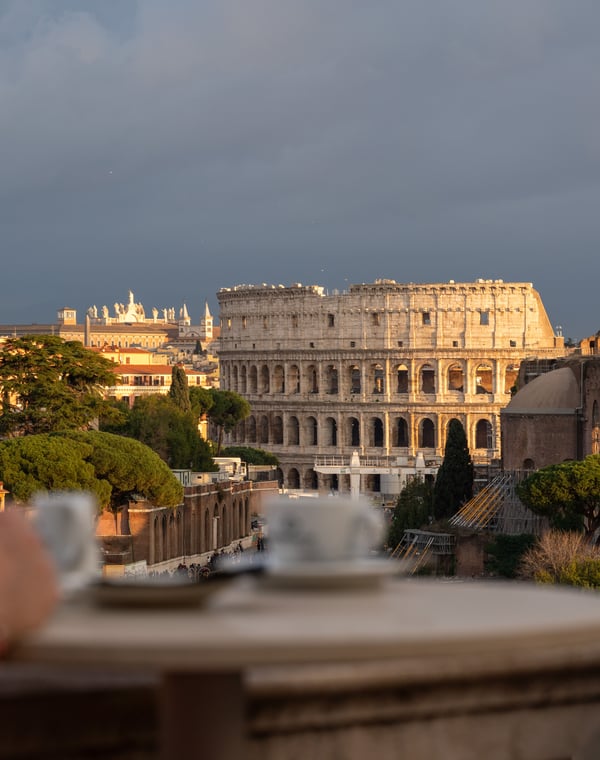
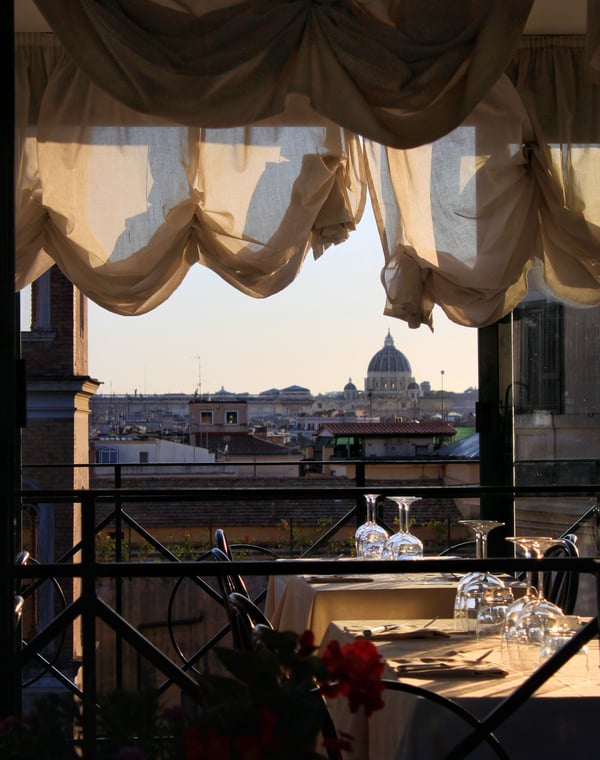
For the splurge-worthy version, a rooftop bar at sunset is unbeatable — a spritz with a view over the domes (see our rooftop bars guide for specific terraces).
A little history and etiquette

Aperitivo has deep roots worth knowing. The ritual was effectively born in northern Italy (Turin and Milan, the home of vermouth and the bitter aperitifs like Campari) and spread south, becoming a beloved national institution — the civilized hinge between the workday and the evening. The drinks are deliberately light and often bitter because the whole point is to stimulate the appetite, not dull it: the bitterness (from Campari, Aperol, vermouth) gets the digestive juices going before dinner. A few etiquette notes help you do it like a local: aperitivo is social and unhurried — it's about the company and the pause as much as the drink, so settle in rather than rushing; you don't tip heavily (round up at most — see our tipping guide); the snacks that come with your drink are part of the deal, not something to feel guilty about or over-order; and there's a meaningful difference between classic aperitivo (a drink with light nibbles, a prelude to dinner) and apericena (a more generous buffet-style spread that can stand in for a light dinner — common at certain bars for a set price). Knowing which you're getting helps you plan your evening: aperitivo then dinner, or apericena as a casual dinner.

How aperitivo works (practically)

  • Timing: arrive 6–8 p.m.; it bridges the gap to Rome's late (8:30–9 p.m.) dinner.
  • The food: at many bars, ordering a drink gets you some complimentary snacks; some do a fuller spread or buffet (apericena) for a set price — ask what's included.
  • It's not dinner (usually) — aperitivo whets the appetite; apericena can replace a light dinner, but classic aperitivo is a prelude.
  • Pace: it's leisurely — one or two drinks over an hour or so, watching the evening unfold.
  • Cost: generally affordable, though rooftop and prime-piazza spots charge for the setting (prices vary — check current).

Tips for a great aperitivo

  • Go at golden hour — the light on Rome's stone at 6–7 p.m. is the whole point.
  • Choose the setting to match the mood — buzzy piazza, cobbled Trastevere lane, local Monti wine bar, or a rooftop view.
  • Eat off the main squares for value, as always in Rome.
  • It's a great pre-dinner plan — aperitivo then a late trattoria dinner is the perfect Roman evening (see our dining guides).
  • Don't over-snack if you've got a dinner reservation — pace yourself.
  • Try the local thing — a spritz or Negroni beats ordering what you'd drink at home.

The bottom line

Aperitivo is Rome's golden-hour ritual — a spritz, Negroni, or glass of wine with a few bites around 6–8 p.m., easing you into the late Roman dinner. Order an Aperol Spritz for the classic sunset drink or a Negroni for something stronger and bitter, and pick your setting to match the mood: buzzy Campo de' Fiori, bohemian Trastevere, local Monti, or a rooftop terrace for the view. Go at golden hour, eat off the tourist squares, and let it roll into dinner — it's one of the most pleasurable, civilized hours of any Rome day.

Keep reading