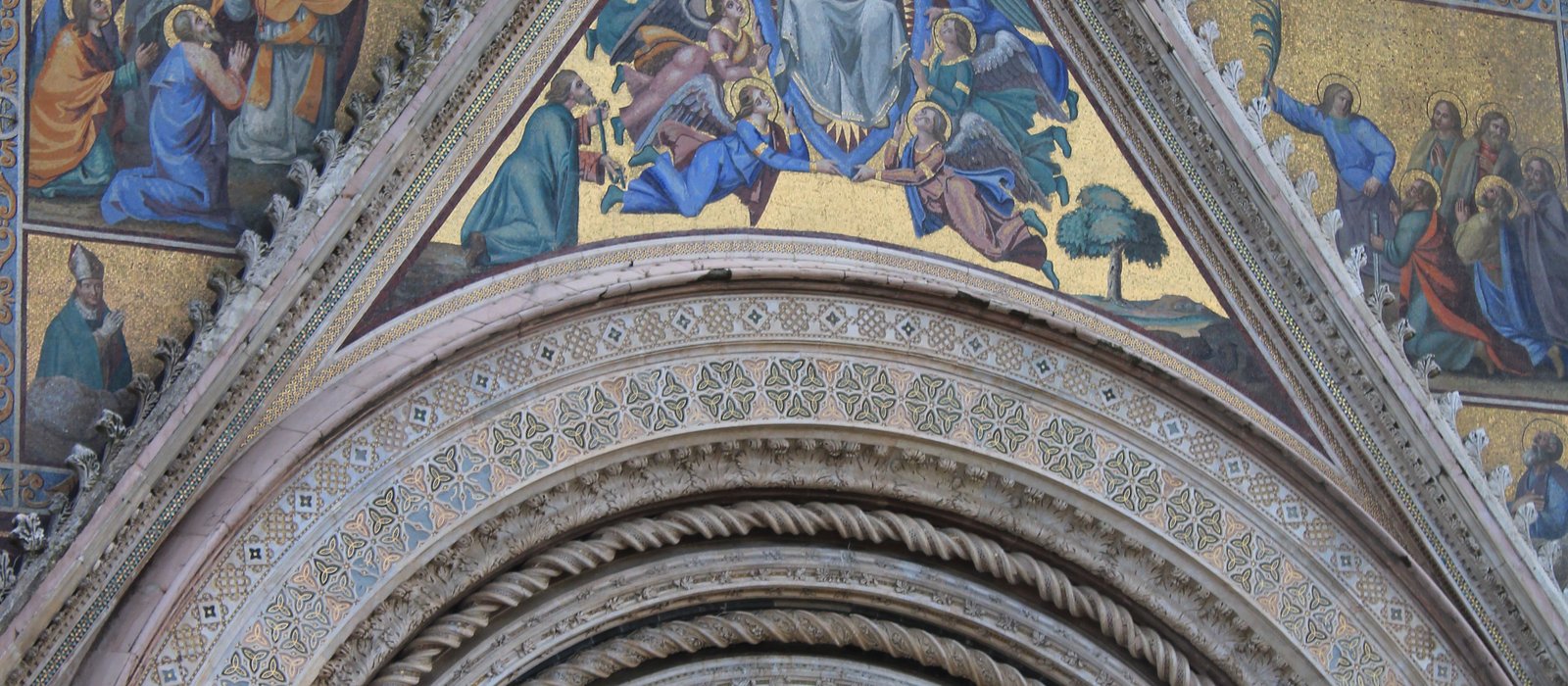
About an hour north of Rome, a golden-stoned town rises dramatically on a flat-topped plug of volcanic rock, crowned by one of the most spectacular Gothic cathedrals in Italy. Orvieto is the perfect antidote to a few intense days in the city — a compact, walkable Umbrian hill town with a jaw-dropping duomo, an underground world of ancient caves, and a crisp white wine that shares its name. It's close, easy to reach by train, and gives you a real taste of small-town Italy without a long journey. Here's how to make a day of it.
Why go to Orvieto
After Rome's scale and crowds, Orvieto's appeal is its human size and serenity. It's a genuine, lived-in Umbrian town perched high above the valley, where you can see the main sights on foot in a relaxed day. The headline is the Duomo — a 14th-century Gothic cathedral with a façade of dazzling golden mosaics and intricate carving that ranks among Italy's finest, and inside, the Chapel of San Brizio with Luca Signorelli's dramatic frescoes of the Last Judgment (which influenced Michelangelo). But Orvieto is more than its cathedral: it's the whole experience of a hilltop town — narrow lanes, piazzas, valley views, and excellent food and wine.
Getting there: an important detail
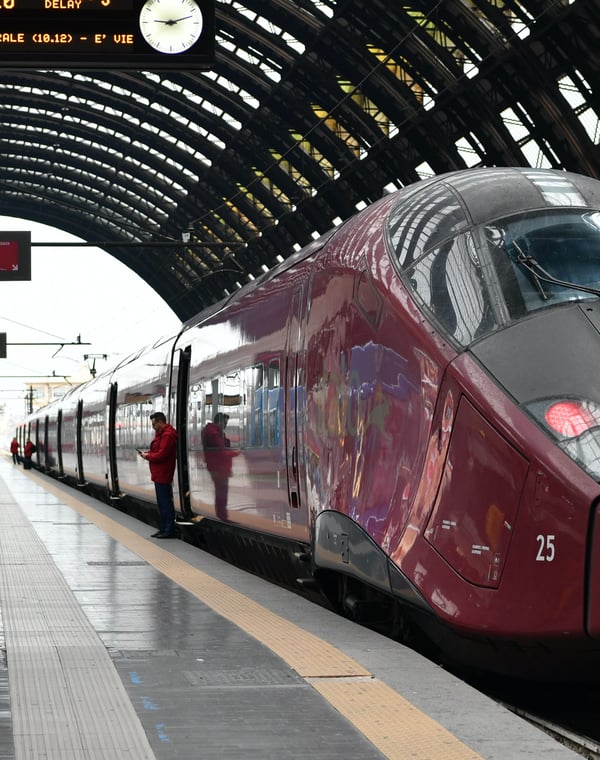
Orvieto is on the main Rome–Florence line, reachable by regional/intercity train from Roma Termini in about an hour to ~1.5 hours. One key point that trips people up:
- Orvieto is NOT a high-speed (Frecciarossa) stop in the way you might assume — you take a regional or intercity train, which is inexpensive and frequent. (Don't overpay hunting for a high-speed connection that isn't the point here.)
- The train station sits down in the valley, at the base of the rock — the old town is up top. From the station, take the charming funicular (cable railway) up the cliff to the historic center, then a short walk or shuttle bus to the Duomo. The funicular is part of the fun.
Buy a return train ticket, and confirm current schedules. Because it's a simple direct train, Orvieto is very doable independently — no tour required, though guided day trips exist.
A deeper layer: the Etruscan town beneath
Part of what makes Orvieto more than a pretty cathedral town is its astonishing depth — literally. Long before Rome dominated the region, Orvieto was a major Etruscan city (likely the important center the Romans called Volsinii), perched on its defensible rock. The Etruscans began carving the soft volcanic tufo beneath the town into wells, cisterns, and chambers, and successive generations kept digging, leaving the labyrinth of caves you can tour today — over a thousand excavated cavities honeycombing the rock. You'll also find Etruscan tombs and artifacts in and around town, and small museums that tell the story. So Orvieto offers a rare vertical slice of Italian history: Etruscan foundations, medieval golden-age cathedral and lanes on top, all on one dramatic plug of stone. It's a lot of history for a town you can stroll across in twenty minutes.