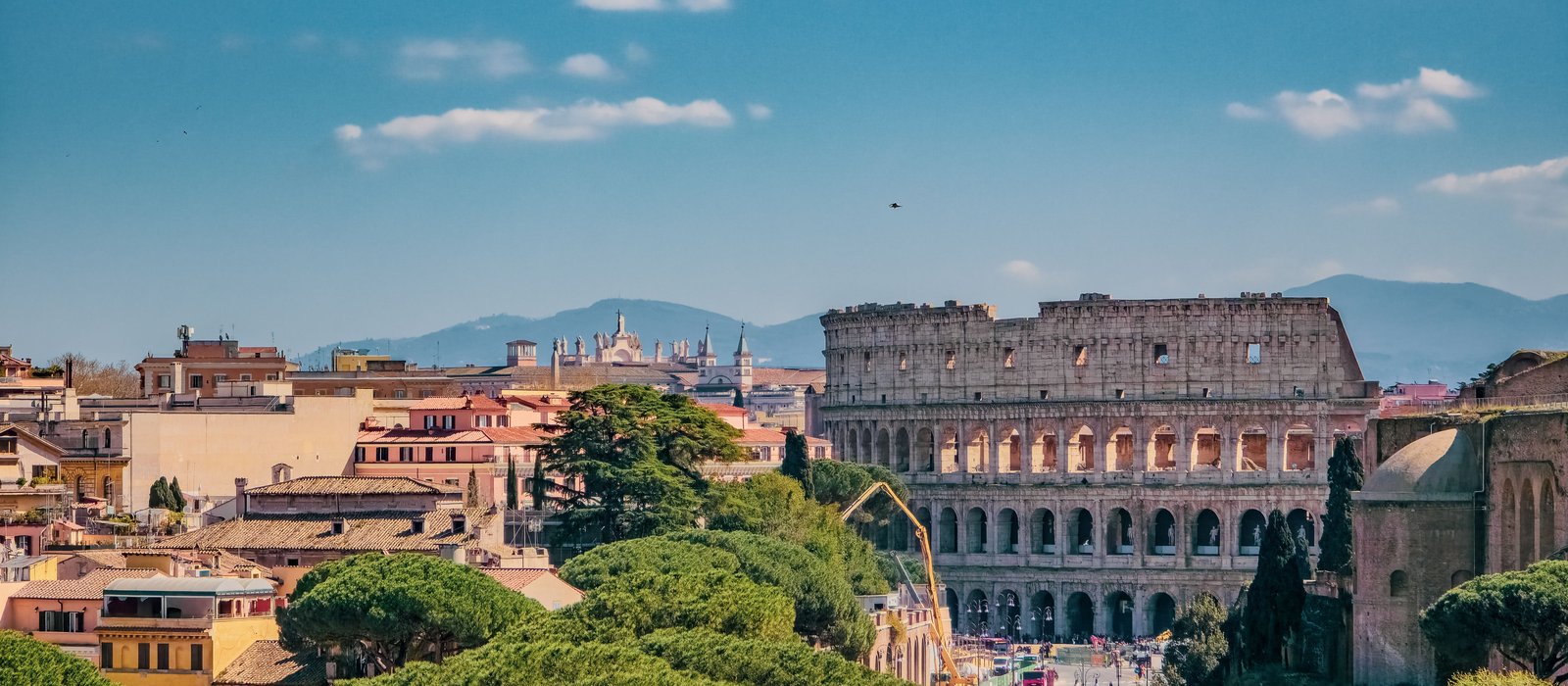
Three days covers Rome's essentials; the fourth day is where the trip gets interesting. With four days you can see the great pillars — ancient Rome, the Vatican, the Baroque art and food neighborhoods — without rushing, and still have a full day to either dig deeper into the city or escape it for one of central Italy's blockbuster day trips. This itinerary builds on the classic three-day plan and shows you the two best ways to spend that extra day, depending on whether you'd rather go deeper or wider.
The shape of four days
The first three days follow the proven first-visit structure (covered in detail in our Rome in 3 Days guide); the fourth is the flexible one:
- Day 1 — Ancient Rome + the historic center: Colosseum/Forum/Palatine in the morning, the Pantheon and the great piazzas on foot in the afternoon, Trastevere for dinner.
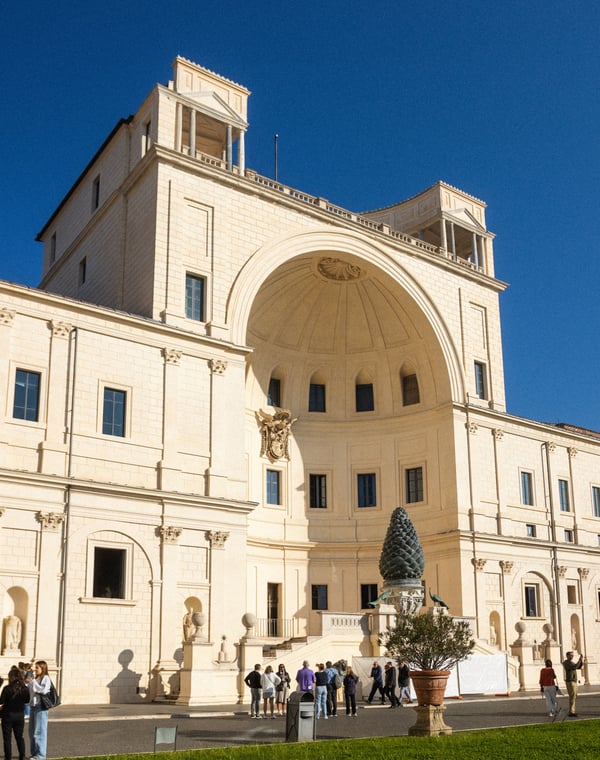
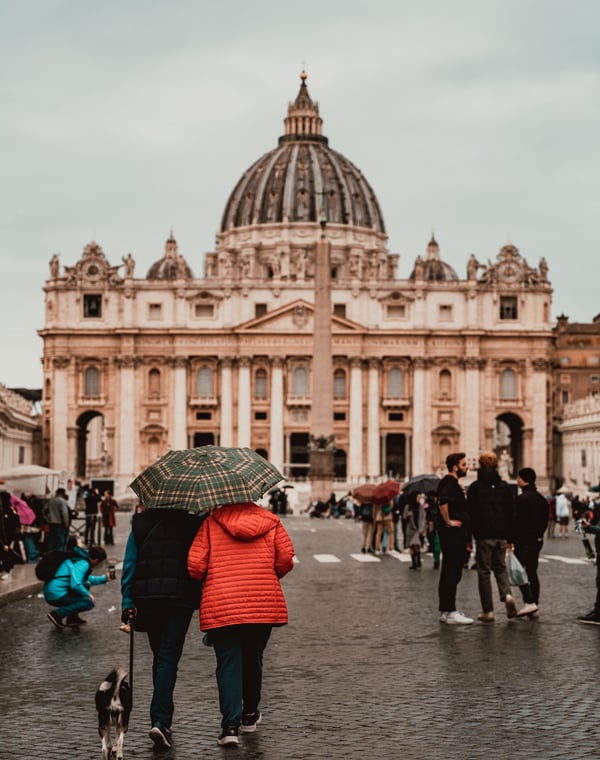
- Day 2 — The Vatican + Castel Sant'Angelo: Vatican Museums and Sistine Chapel early, St. Peter's and the dome, Castel Sant'Angelo and Prati in the afternoon.
- Day 3 — Art + food neighborhoods: the Borghese Gallery in the morning (booked ahead), then Testaccio or the Jewish Ghetto for the afternoon and an aperitivo-to-dinner evening.
- Day 4 — Go deeper, or go on a day trip (the two options below).
Pre-book the three timed entries that matter — Colosseum, Vatican, Borghese — and stay central so the city days stay walkable.
Day 4, Option A: Go deeper into Rome
If you've fallen for the city and don't want to spend a day on trains, use the fourth day to see the Rome that the three-day blitz skips:
- The neighborhoods you haven't walked: linger in Monti, explore Testaccio's market and food scene if you didn't on Day 3, or wander Campo de' Fiori and the Jewish Ghetto properly.
- The Appian Way (Via Appia Antica): the ancient Roman road, with catacombs, ruins, and a green escape from the city bustle — a completely different side of Rome.
- The "second tier" sights that are wonderful but get cut from shorter trips: Castel Sant'Angelo (if you skipped it), the Capitoline Museums, San Clemente (a church layered over a Roman house and a pagan temple — astonishing), or the Baths of Caracalla.
- A slow food morning: a market visit, a coffee-and-pastry crawl, or a cooking class.
This is also the day to revisit a favorite — a second, unhurried look at the Forum or a return to the piazzas at a different hour rewards you more than cramming in another marquee sight.
Day 4, Option B: A day trip
With the city's essentials handled, the fourth day is the natural slot for an out-of-town highlight, all reachable by train:
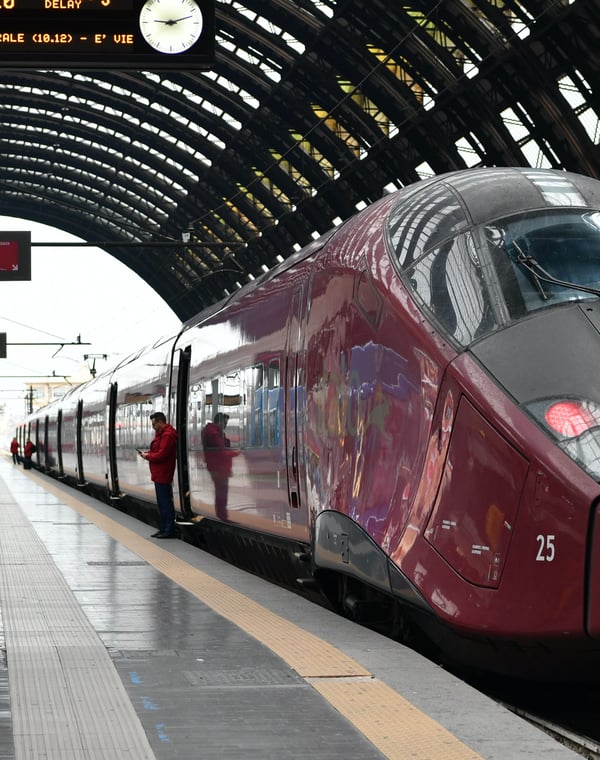
- Pompeii — the blockbuster: the Roman city frozen by Vesuvius, via a high-speed train to Naples (~70 min) then the Circumvesuviana (~35–40 min). A full but unforgettable day. (See our Pompeii day-trip guide.)
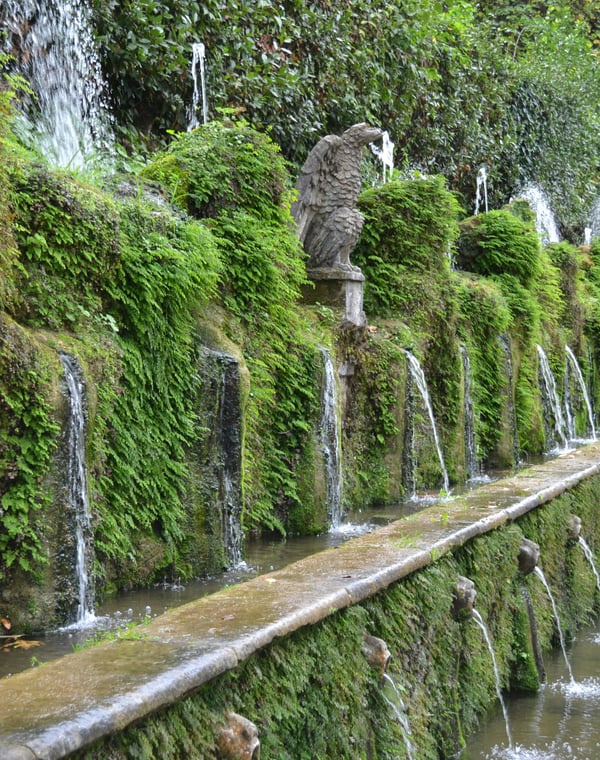
- Tivoli — Hadrian's Villa and the fountain gardens of Villa d'Este, an easy and green half-to-full day close to the city.
- Ostia Antica — Rome's remarkably preserved ancient port, far closer and quieter than Pompeii, reachable in under an hour: the same thrill of walking ancient streets without the long haul.
- Orvieto — a gorgeous Umbrian hilltop town with a magnificent Gothic cathedral, about an hour away by intercity train.