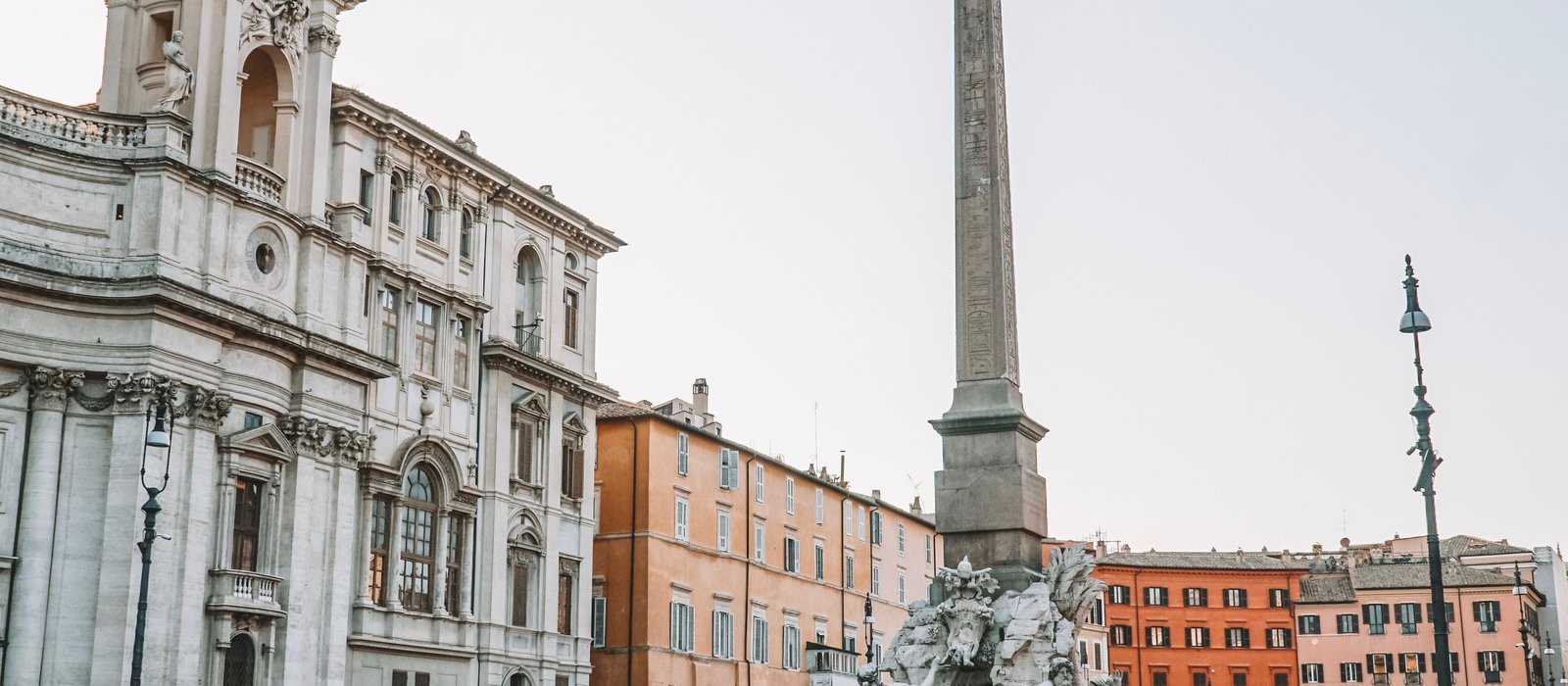
Most visitors give Rome two or three days and leave wishing they'd had more. If you've got five to seven, you're in the lucky minority — enough time to see everything essential and live a little like a Roman: lingering over lunches, returning to a favorite piazza, taking day trips without guilt, and discovering the neighborhoods and lesser-known corners that turn a sightseeing trip into a love affair with the city. This is the unhurried itinerary: the highlights at a humane pace, plus all the depth a longer stay allows.
How to think about a longer stay
The trap with five-plus days is treating it as "three days of sights, then what?" — and burning out trying to fill every hour with monuments. The better approach: front-load the essentials over the first three days, then shift gears into a slower rhythm of one main thing per day, day trips, neighborhoods, and repeat visits to places you loved. Rome rewards depth over breadth once you've covered the basics.
Stay central, and on a longer trip seriously consider an apartment — a kitchen, more space, and a neighborhood to belong to for a week change the experience for the better.
Days 1–3: the essentials
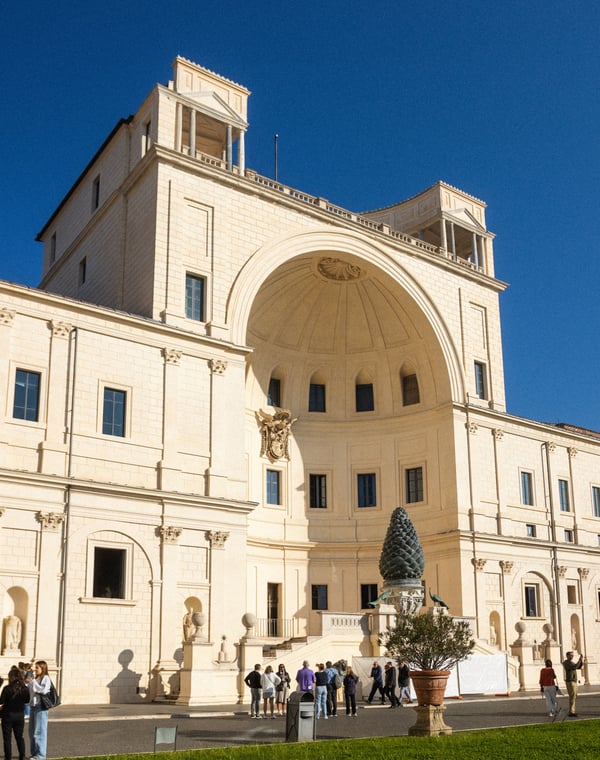
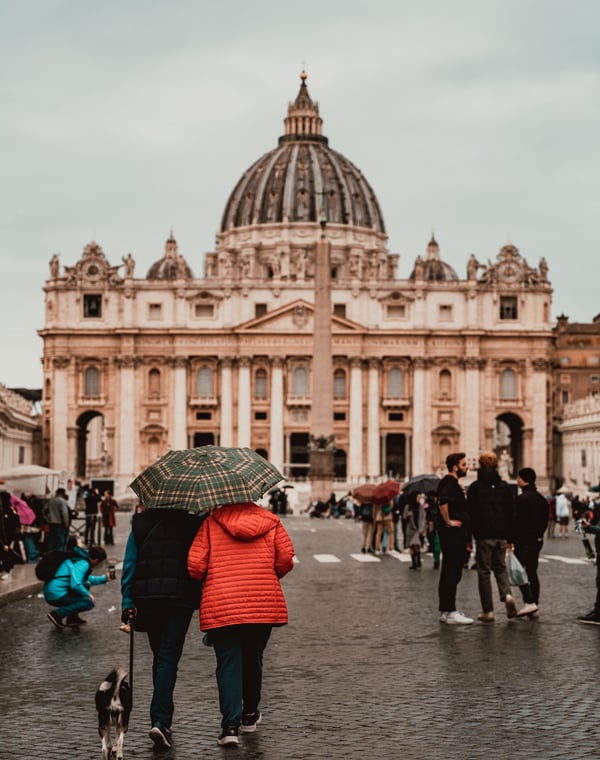
Follow the classic first-visit arc (detailed in our 3-day guide): - Day 1: Ancient Rome — Colosseum, Forum, Palatine — then the Pantheon and the historic-center piazzas, dinner in Trastevere. - Day 2: The Vatican — Museums, Sistine Chapel, St. Peter's and the dome — plus Castel Sant'Angelo. - Day 3: The Borghese Gallery, then a food neighborhood (Testaccio or the Ghetto) and an aperitivo-and-dinner evening.
Pre-book the Colosseum, Vatican, and Borghese timed entries.
Days 4–7: depth, day trips, and living like a local
Here's where the longer stay earns its keep. Mix and match these to fill the remaining days at a pace that suits you:
A blockbuster day trip (or two)
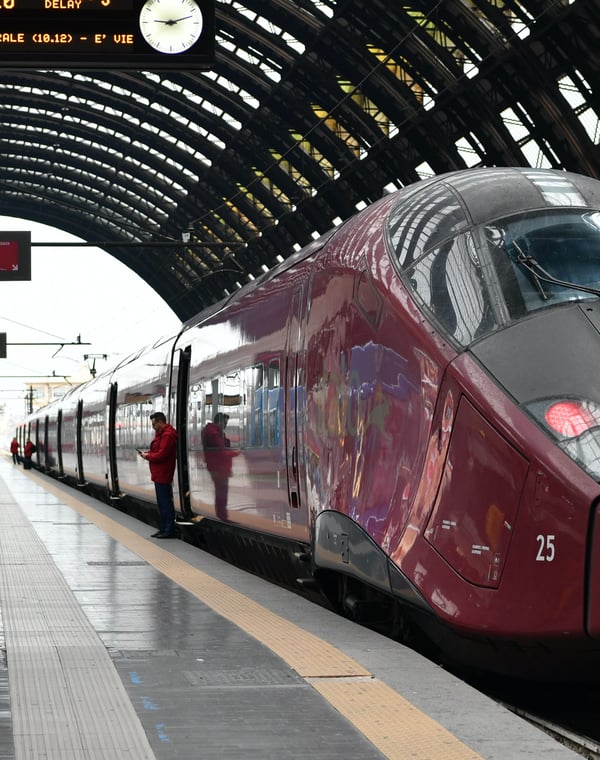
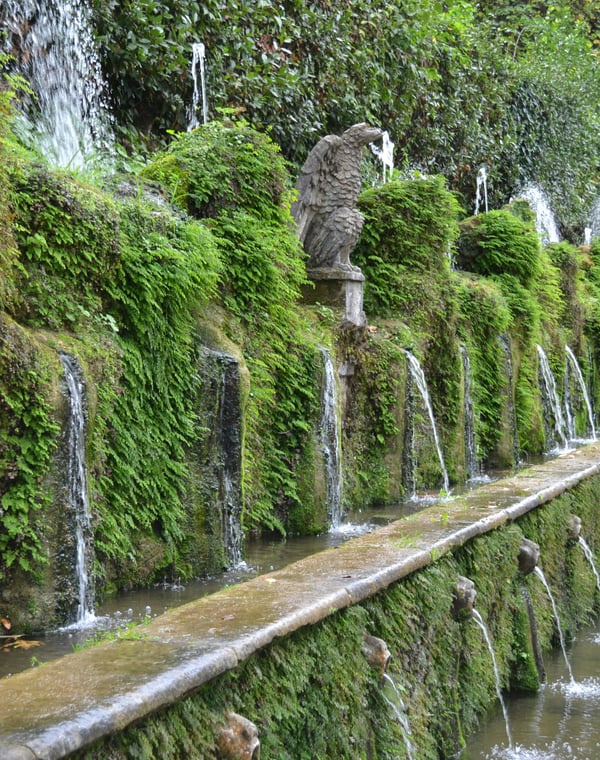
With this much time you can afford a full day out — and even two, spaced apart: - Pompeii (via Naples) — the unmissable ancient city; a long but extraordinary day. - Tivoli — Hadrian's Villa and the Villa d'Este fountain gardens. - Ostia Antica — Rome's ancient port, close and uncrowded. - Orvieto (an Umbrian hill town, ~1 hr by intercity train) or Florence (a high-speed taste of Tuscany, ~1.5 hrs) — both doable in a day, but at very different scales: Orvieto is a relaxed half-to-full day, while Florence deserves far more and is only a teaser.
Two day trips in a week is comfortable; three starts to feel like a transit schedule, so resist over-doing it.
The deeper Rome
The sights that don't fit a short trip but richly reward a long one: - San Clemente — a basilica stacked over a Roman house and a Mithraic temple; one of Rome's most astonishing layered sites. - The Appian Way (Via Appia Antica) — the ancient road, catacombs, and countryside. - The Capitoline Museums — the world's oldest public museums, with the originals you'll have seen referenced everywhere. - The Baths of Caracalla, the Crypt of the Capuchins, the Aventine keyhole and Orange Garden views, Trastevere's Gianicolo hill. - A neighborhood you haven't lived in yet: spend a morning just being in Monti, Testaccio, or Prati rather than ticking sights.
The Roman pleasures
The non-sightseeing things that are the actual point of a week in Rome: - A market morning (Campo de' Fiori, Testaccio Market, Trionfale) and a slow lunch. - A cooking class or a food tour in Testaccio or Trastevere. - Coffee culture and aperitivo as daily rituals, not afterthoughts. - Returning to a favorite spot at a different hour — the Forum at opening, the Trevi at midnight, a piazza over a long breakfast.