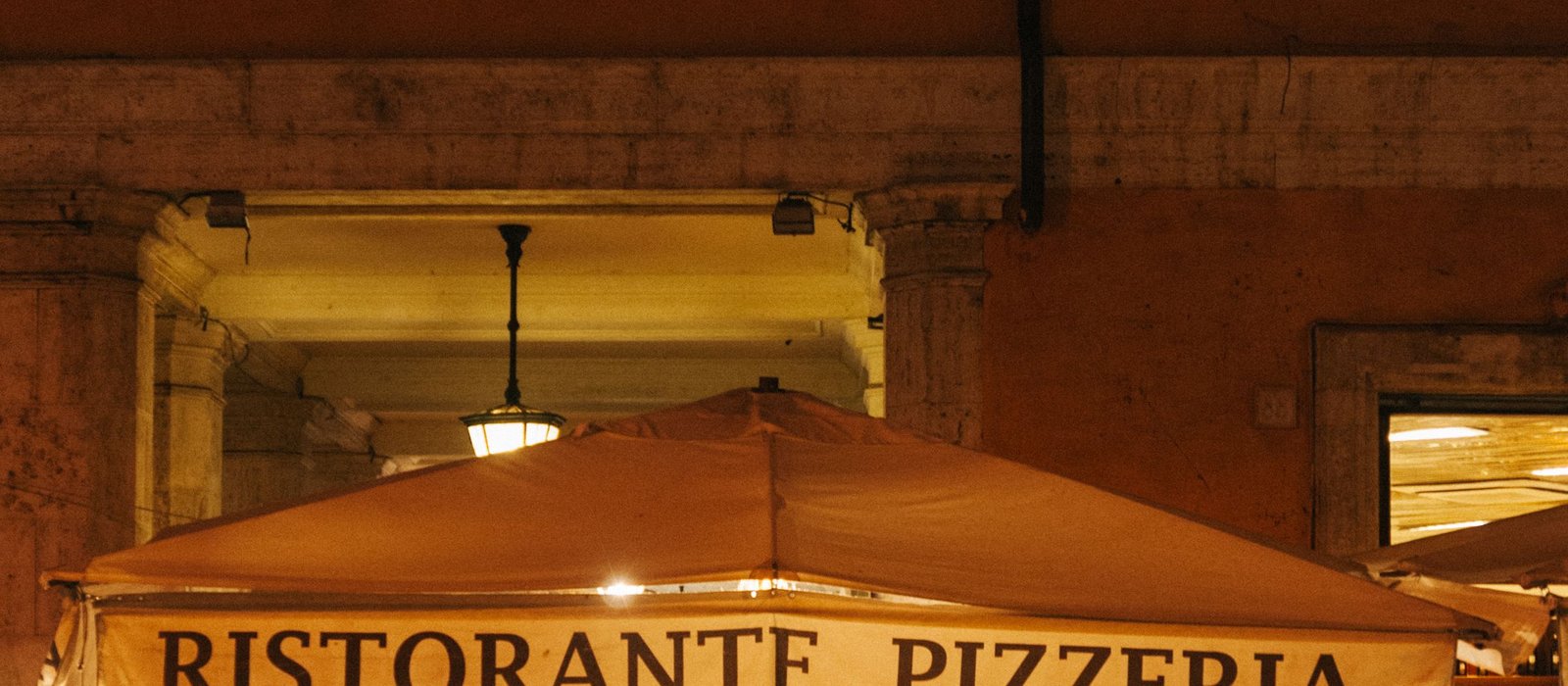
Finding a genuinely good trattoria in Rome isn't hard — but finding one near the major sights can be, because the streets ringing the Colosseum, Trevi, and the Vatican are dense with tourist traps banking on the fact that you'll only eat there once. The good news: the real Rome is rarely more than a short walk away, and Romans still eat out constantly at honest, unpretentious places. This guide is less a rigid top-ten ranking than a field guide — how to recognize the real thing, plus the neighborhoods and the kind of places where locals actually book a table.
First, how to spot a trattoria locals love
Before any list, learn the signals — they'll serve you in any neighborhood, long after a specific recommendation has changed hands or had an off night:
- A short, seasonal menu, often handwritten or changed daily. A vast laminated menu in five languages with photos is the opposite signal.
- The Roman classics done plainly — cacio e pepe, carbonara, amatriciana, gricia — without "creative" twists or cream in the carbonara.
- A room with Italians in it, especially at the late local dinner hour (8:30–9:30 p.m.).
- A coperto (cover charge) on the bill — normal and expected, not a rip-off.
- No host outside hassling passersby. If someone's standing on the street waving a menu at tourists, keep walking.
- Cash-friendly, a little gruff, no rush. Roman service is efficient, not effusive — that's not rudeness, it's the style.
The neighborhoods where the real ones cluster
Rather than chase a single famous name (which often means a queue and a markup), aim for the right area and pick a place that passes the test above.
Testaccio — the spiritual home
Rome's old slaughterhouse district is the heartland of traditional cooking and the four pastas, with a deep bench of beloved old-school trattorias. If you eat one serious Roman dinner, make it here. It's also the home of the quinto quarto (offal) tradition for the adventurous.
Trastevere — atmosphere plus substance
The cobbled, lantern-lit quarter across the river is touristy on its main squares but still hides excellent kitchens on the side streets. Walk away from Piazza di Santa Maria and you'll find trattorias Romans still frequent.
The Jewish Ghetto — Roman-Jewish classics
The old Ghetto around Via del Portico d'Ottavia is the place for carciofi alla giudia (fried artichokes) and a distinctive Roman-Jewish kitchen you won't find done as well elsewhere.
Monti, San Lorenzo, and the residential quarters
Central Monti has wine bars and casual trattorias steps from the Forum. And if you venture to the residential, student, and suburban areas where actual Romans live — San Lorenzo, Pigneto, Monteverde — you're almost guaranteed to eat well at honest prices.
The tourist traps to sidestep
It helps to know the specific traps, not just the good signs. The classic Rome tourist trap clusters in the few blocks immediately around the Colosseum, the Trevi Fountain, the Vatican entrance, and the busiest edges of Piazza Navona — places that get one-time customers and don't need repeat business. The warning signs there are consistent: a host outside working the sidewalk; "tourist menu" or "menù turistico" boards with photos; carbonara that lists cream; a vast menu spanning every region of Italy (a real Roman trattoria cooks Roman food, not a national greatest-hits); and prices that omit the coperto and service until the bill arrives. None of these mean you'll be poisoned — just that you'll overpay for a mediocre version of something you could eat far better two streets away.
A related trap is the "fresh fish" or "specials" recited verbally with no price; always ask the price of anything quoted by weight (fish especially) before you say yes.