Rome can overwhelm you with museums — there are dozens, and a first-timer with limited days can't (and shouldn't try to) see them all. The good news is that a handful stand head and shoulders above the rest for a first visit, each offering something distinct: the world's greatest art collection, the most intense small-gallery experience in the city, ancient sculpture in the world's oldest museums, and more. This guide ranks the museums actually worth your limited time, what makes each special, and how to prioritize so you see the best without museum fatigue.
The essential ones
If you only do a couple of museums on a first trip, make them these.
The Vatican Museums (+ Sistine Chapel)
The big one. An overwhelming collection spanning the Egyptian, Greek, and Roman antiquities, the Raphael Rooms, and the Gallery of Maps, all building to the Sistine Chapel and Michelangelo's ceiling at the route's end. It's vast — don't try to see everything; prioritize the highlights — and it requires a booked timed entry (see our Vatican guides). Essential, but plan for crowds and a half-day.
The Borghese Gallery
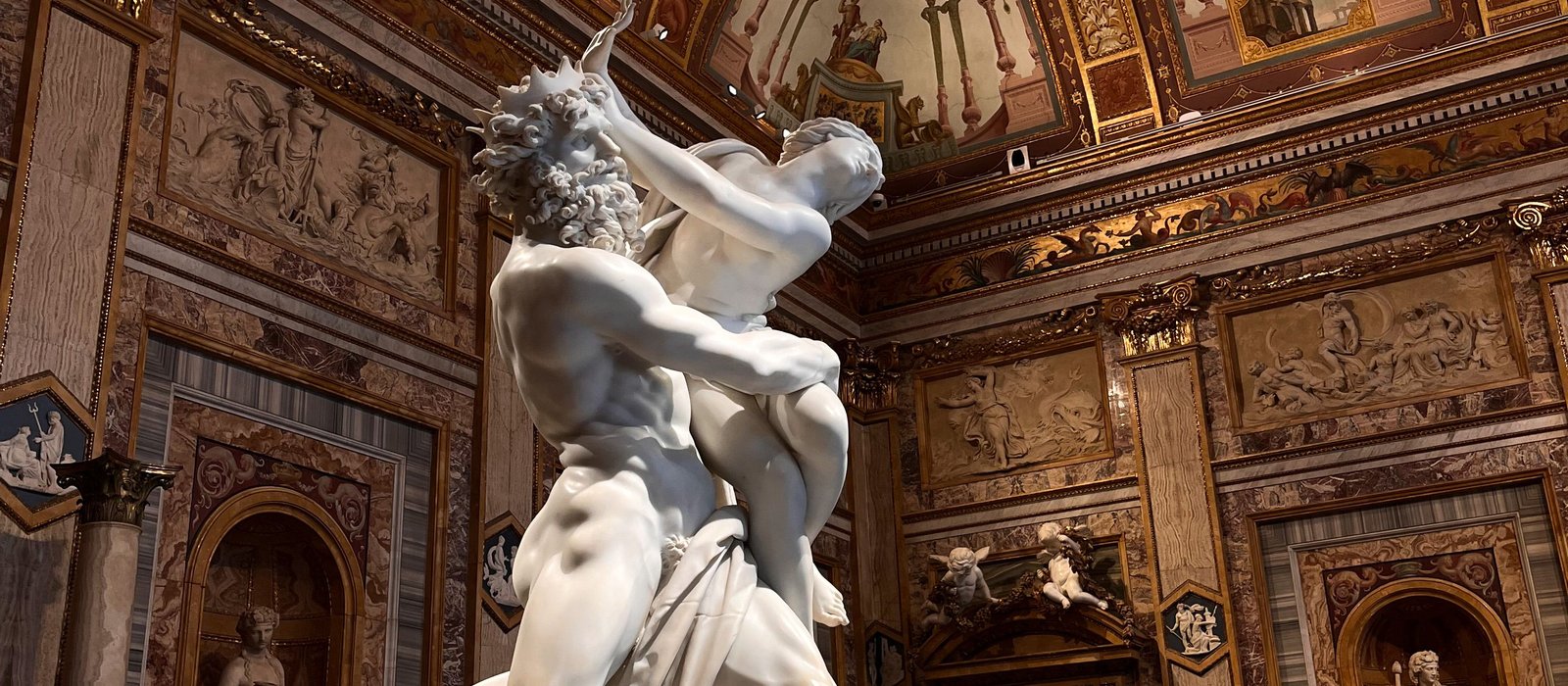
The connoisseur's favorite, and many visitors' single best museum experience in Rome. A jewel-box villa holding Bernini's breathtaking sculptures (Apollo and Daphne, the Rape of Proserpina), a roomful of Caravaggios, and Raphael and Titian — all in a mandatory two-hour timed slot that caps crowds, so it never feels mobbed. Reservations are essential and sell out (see our Borghese guide). If you do one "art museum," this is the one.
The excellent next tier
With more time or specific interests, these reward the visit.
The Capitoline Museums
The world's oldest public museums, atop Michelangelo's Capitoline Hill, holding iconic ancient sculpture — the Capitoline Wolf, the Dying Gaul, the colossal fragments of Constantine, the original equestrian Marcus Aurelius — plus a picture gallery with Caravaggio and Titian, and a terrace with a great view over the Forum. The most rewarding pure ancient-Rome museum (see our Capitoline guide).
The National Roman Museum (Palazzo Massimo)
An underrated treasure near Termini, home to the finest ancient Roman frescoes and mosaics anywhere — including the breathtaking garden frescoes from Livia's villa — plus superb classical sculpture. Quiet, uncrowded, and a revelation for anyone interested in daily life and art in ancient Rome.
Palazzo Doria Pamphilj
A still-private aristocratic palace whose family apartments and gilded gallery hold a stunning collection (Velázquez's famous portrait of Innocent X, Caravaggios, and more) — a glimpse of how Rome's noble families lived among masterpieces. Atmospheric and far less crowded than the headline museums.
Castel Sant'Angelo
Part fortress, part museum, with the city's best rooftop view (covered in its own guide) — more of an experience than a traditional gallery, but a wonderful one.
Worth knowing: the specialized and the offbeat
Beyond the headliners, Rome has museums that reward specific interests, worth a mention so you can match one to your tastes:
- Palazzo Barberini (National Gallery of Ancient Art) — a magnificent Baroque palace with Caravaggio's Judith Beheading Holofernes, Raphael's La Fornarina, and a Bernini-and-Borromini building that's a work of art itself.
- The Galleria Spada — small, but home to Borromini's famous forced-perspective corridor, an architectural optical illusion.
- MAXXI and the MACRO — for contemporary art and architecture, if you want a break from antiquity (MAXXI's Zaha Hadid building is a destination in itself).
- The Ara Pacis Museum — a serene modern pavilion housing Augustus's beautifully carved Altar of Peace.
- The Capuchin Crypt — the macabre, unforgettable chapels decorated with the bones of thousands of friars; not for everyone, but genuinely unique.
None of these are first-trip essentials, but if you have a particular passion — modern art, architecture, the macabre, Augustan Rome — one of them might be the most memorable museum you visit.
How to prioritize (and avoid museum fatigue)
The biggest first-timer mistake is cramming in too many. A sane approach:
- On a 2–3 day trip: do the Vatican Museums and the Borghese — that's plenty of world-class art alongside everything else Rome offers. Don't add more.
- On a 4+ day trip: add one of the second tier based on your interest — Capitoline for ancient Rome, Palazzo Massimo for Roman art and daily life, Doria Pamphilj for old-master paintings in a palace.
- Alternate museums with the outdoors. Rome's greatest "museum" is the city itself — the Forum, the churches, the streets. Don't do two big museums back to back; you'll burn out.
- Remember the free art. Rome's churches hold masterpieces (Caravaggios, Berninis, Michelangelo's Moses) for free — sometimes the best art isn't in a museum at all (see our Caravaggio guide).
Practical tips
- Book ahead for the Vatican and Borghese — both require it, and both sell out.
- Check closing days — many museums close Mondays; the Vatican closes most Sundays (free, mobbed last Sunday).
- First Sunday of the month is free at state museums (Capitoline, Palazzo Massimo, etc.) — great value, but the busiest day.
- Allow a half-day for the Vatican, two hours for the Borghese, and don't over-schedule.
- Consider a guide for the big two. The Vatican especially rewards context — its scale and density can wash over you without someone connecting the Raphael Rooms to the Sistine ceiling — and a good guide turns the Borghese's two hours into a richer story. For the smaller museums, a self-guided visit with an audio guide is usually plenty.
- Match the museum to your energy. Save the overwhelming Vatican for a fresh morning; the calmer Palazzo Massimo or Doria Pamphilj are gentler on a tired afternoon.
The bottom line
For a first trip, focus beats breadth: the Vatican Museums and the Borghese Gallery are the two essentials, delivering the world's greatest collection and Rome's best gallery experience respectively — both requiring advance booking. With more time, add the Capitoline Museums for ancient Rome, Palazzo Massimo for Roman art, or Doria Pamphilj for old masters in a palace, but alternate them with the city's outdoor wonders and free church art to avoid burnout. Choose a couple, book ahead, and you'll see the best of Rome's museums without drowning in them.
Keep planning
Not sure how it all fits together?
Pick your trip length and we'll route a real day-by-day plan.
Build your trip →