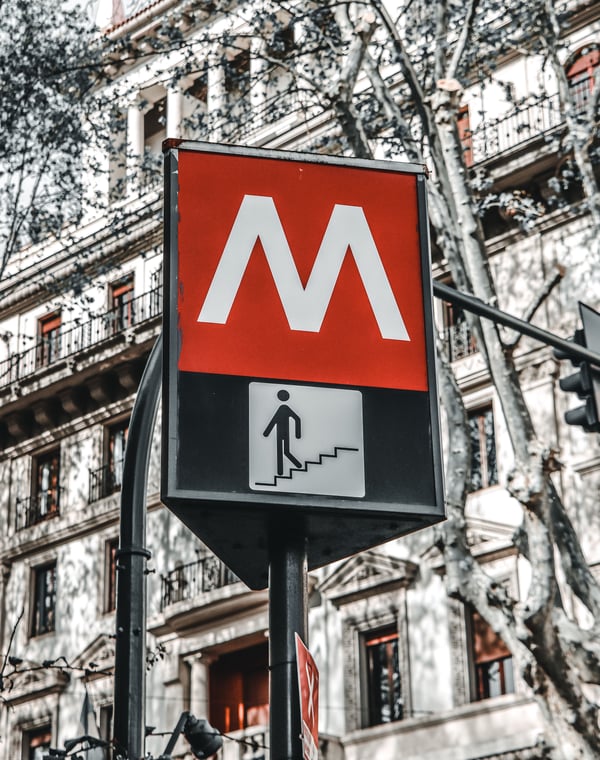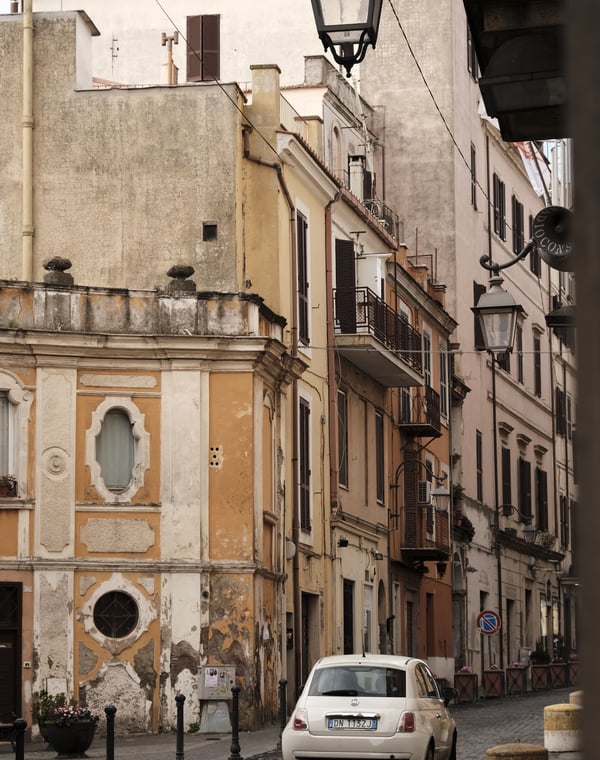
Rome's buses and trams go where the metro can't — deep into the historic center and across the neighborhoods the three metro lines miss. They're cheap, extensive, and run on the same ticket as the metro, but they intimidate visitors because there are no turnstiles, the routes can seem opaque, and they're at the mercy of Rome's traffic. None of that is hard once you know how the system works. This guide demystifies Rome's buses and trams: the useful lines, how to ride, and the honest pros and cons.
Why bother with buses and trams
The metro is fast but limited; buses and trams fill the gaps, especially in the historic center (which has barely any metro). They reach the Pantheon area, cross the river to Trastevere, run along the ancient sights, and connect neighborhoods directly. For some journeys — getting across the centro, or out to a spot the metro doesn't serve — a bus or tram is the only public option, and it's cheap. The trade-off is that they're subject to traffic, so they're often slower and less predictable than the metro.
The most useful lines for visitors
A handful of routes do most of the tourist heavy lifting:
- Tram 8 — the single most useful tram for visitors. Connects Trastevere to Piazza Venezia / Largo Argentina in the center — perfect for getting to and from Trastevere without the walk.
- Bus 40 and Bus 64 — the express-ish workhorses between Termini and the Vatican area, via the center (Largo Argentina). Fast and direct — but famously crowded and a notorious pickpocket route ("the Vatican express" / "the wallet-eater"), so ride with your bag firmly secured.
- Bus 62 — another Termini-to-Vatican-area option, often less mobbed than the 64.
- Tram 3 / Bus 3 — a long loop linking Trastevere, the Colosseum area, San Giovanni, and Villa Borghese — handy and scenic.
- Bus 87 / 81 — useful crosstown routes through the center past the Colosseum and Pantheon area.
- Night buses (the "N" lines) — fill in when the metro's closed, radiating from Termini and Piazza Venezia.
You don't need to memorize these — a maps app will route you — but knowing Tram 8 and the Vatican buses covers most needs.
A scenic bonus and the tourist bus question
Two extra things worth knowing. First, some regular bus and tram routes double as cheap sightseeing: riding Tram 8 across the river gives you a free glide through Trastevere's edge and past Largo Argentina's ruins, and Bus 87 or the Tram 3 loop pass a string of ancient sights — a normal-fare ride that happens to be scenic. Second, you'll see the open-top hop-on-hop-off tourist buses (the red double-deckers) circling the major sights. They're a different thing entirely from the public network: pricier, aimed squarely at tourists, with a fixed loop of big-ticket stops and audio commentary. They can be worth it for a first orientation or for visitors with limited mobility who want a sit-down overview, but for most people the cheap public buses/trams plus walking cover the same ground for a fraction of the cost. If you want the commentary-and-overview experience, the hop-on-hop-off has its place; if you just want to get somewhere, the regular network is far better value.