Rome rewards a few days of undivided attention — but once you've done the Colosseum, the Vatican, and the great piazzas, some of central Italy's most rewarding places sit just a train ride away. And here's the good news for Americans used to thinking in long highway drives: you almost never need a car. Italy's trains are fast, frequent, and drop you in the center of town, which is usually faster than driving anyway. Here are the day trips that genuinely earn a slot in your itinerary, ranked by how easily they fit a first visit.
Why the train, not a car
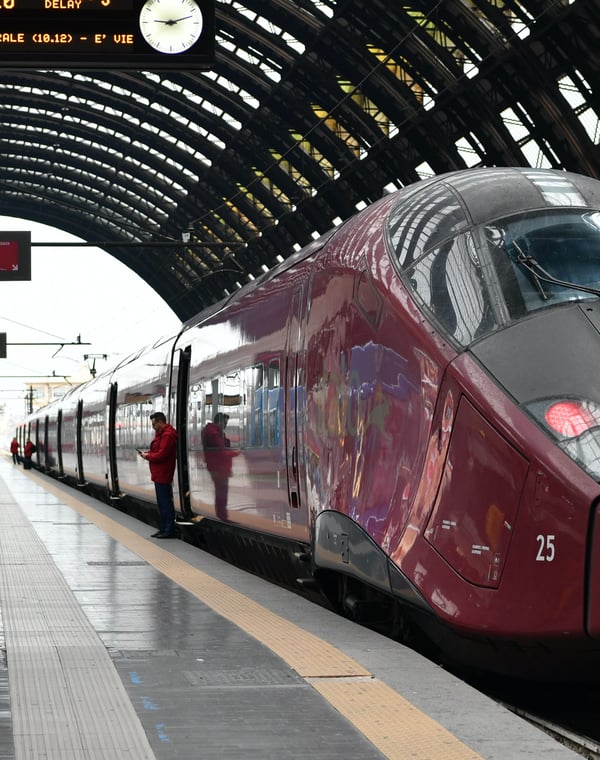
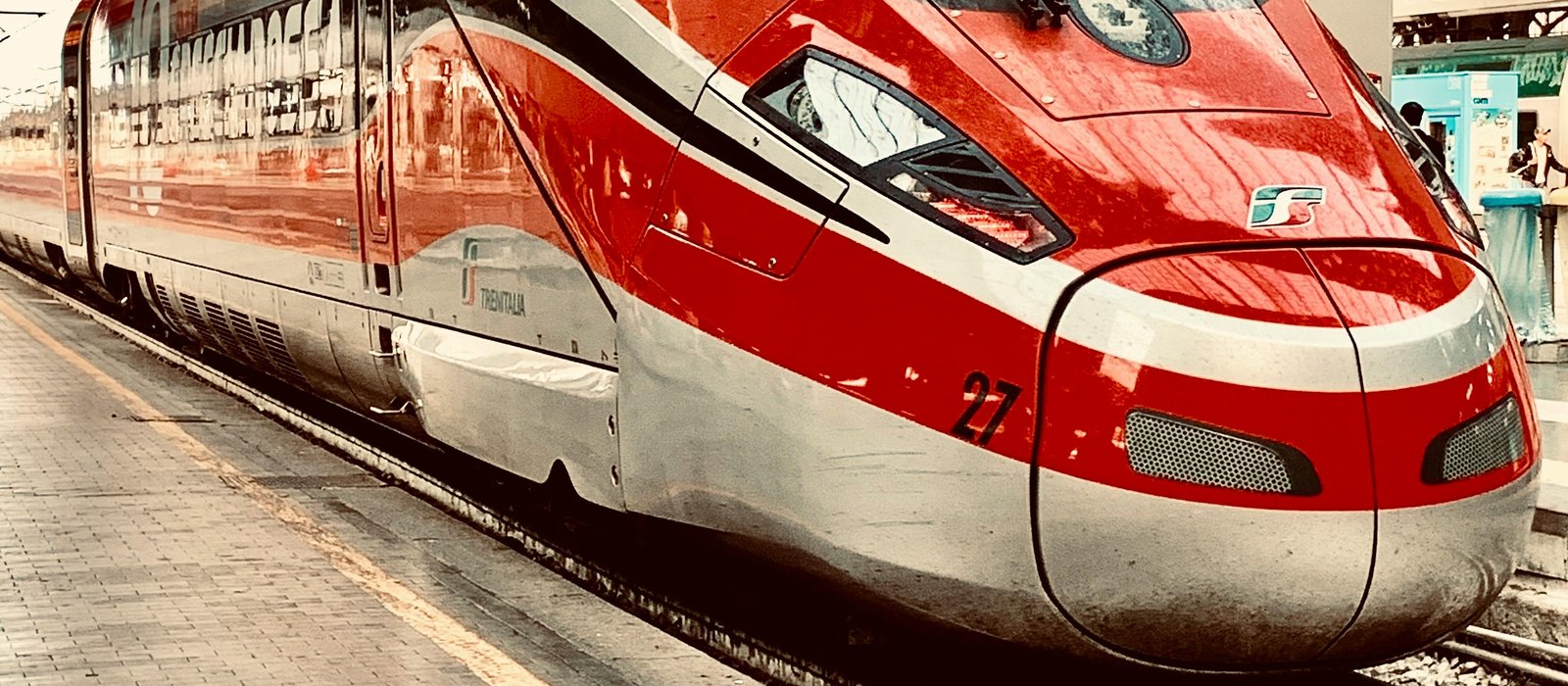
Before the list, the single most useful principle: for day trips from Rome, the train beats driving for most travelers. High-speed lines connect Rome to other cities center-to-center in a fraction of the time you'd spend navigating Italian traffic, ZTL restricted zones, and parking. You skip the rental headache entirely, and you can nap, eat, or take in the scenery on the way. Reserve a car only for rural areas with no rail access — and even then, pick it up outside central Rome.
A few general train tips: book popular routes ahead for the best fares, depart early to maximize your time, and always plan (and ideally pre-book) your return train, because the late-afternoon trains back fill up fastest.
The day trips, ranked for first-timers
1. Pompeii (via Naples) — the blockbuster
The ancient Roman city frozen by Vesuvius is the most dramatic day trip from Rome, and it's very doable: high-speed train to Naples (~70 minutes), then the local Circumvesuviana line to the ruins (~35–40 minutes). It's a full day — budget roughly 12 hours door to door — but few things compare to walking Pompeii's streets. It deserves (and has) its own detailed guide. If you only do one ancient day trip, make it this one.
2. Tivoli — gardens and a villa, close and easy
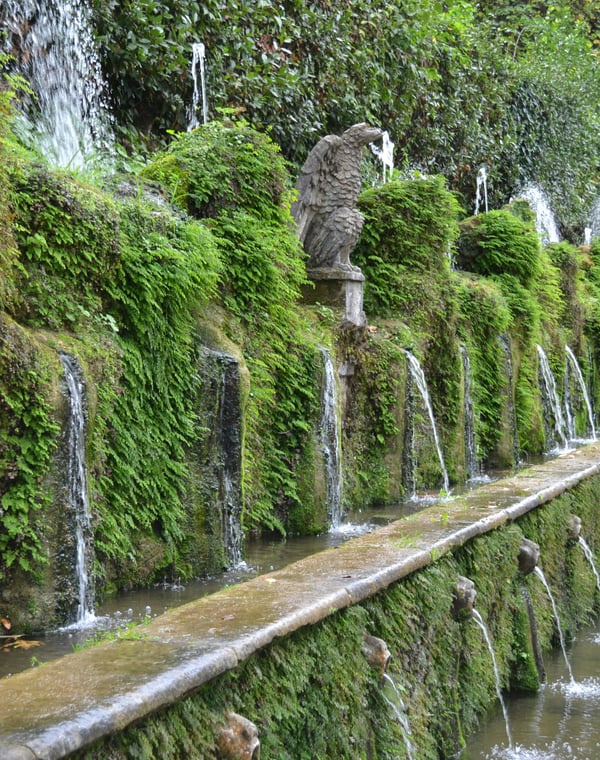
Just outside Rome, Tivoli pairs two UNESCO sites: Hadrian's Villa, the sprawling country estate of the emperor, and Villa d'Este, a Renaissance villa famous for its terraced fountains and water gardens. It's one of the easiest escapes — close enough to feel relaxed, green and cool in summer, and a complete change of pace from the city's stone and crowds.
3. Ostia Antica — Pompeii's quieter cousin
Here's the insider pick: Ostia Antica, Rome's remarkably well-preserved ancient port city, is far closer and far less crowded than Pompeii — reachable on a short regional train and Metro combination in under an hour. You get the same thrill of walking ancient Roman streets, theaters, and baths, with a fraction of the travel time and the crowds. For travelers who want the Pompeii experience without the full-day commitment, this is the smart substitute.
4. Orvieto — a hilltop town an hour away
A gorgeous Umbrian hill town perched on a volcanic outcrop, Orvieto is about an hour from Rome by intercity train (it's on the Rome–Florence line, not the high-speed network) and crowned by one of Italy's most stunning Gothic cathedrals. A funicular carries you from the station up to the old town. It's the easy choice when you want a classic Italian hilltop town — wine, views, a magnificent duomo — without a long journey.
5. Florence — yes, as a day trip (if you must)
High-speed trains reach Florence in around 1.5 hours, which makes a day trip technically possible — and worth it if Florence isn't otherwise on your itinerary. Be honest with yourself, though: Florence deserves far more than a day, so treat this as a "taste" (the Duomo, the Ponte Vecchio, a quick Uffizi visit if pre-booked) rather than a real visit. Pre-book everything, because a day there is tight.
6. Naples & the Amalfi Coast — better as an overnight
Naples is reachable in ~70 minutes and makes a feasible day trip for the city itself (pizza, the archaeological museum, the energy). But the Amalfi Coast beyond it is too far and too beautiful to rush — if the coast is the goal, plan an overnight rather than trying to cram it into a Rome day trip. Manage expectations here and you won't be disappointed.